

23 Kids Room Ideas 2026 That Are Taking Over Pinterest
You know that moment when you step into your kid’s room and it feels… chaotic, mismatched, or just not “them” anymore? One day it’s dinosaurs, the next it’s space rockets and neon lights. Kids grow fast, and their spaces need to keep up without turning into a full renovation every year.
That’s exactly why Kids Room Ideas 2026 are leaning toward flexible, cozy, and personality-packed designs that evolve with your child. Think smart layouts, soft textures, and playful corners that feel intentional instead of overwhelming.
If you’ve been scrolling Pinterest wondering how people pull off those dreamy rooms without going overboard, you’re in the right place. Let’s walk through ideas that actually feel livable, not just pretty.
1. Cozy Neutral Kids Room That Feels Calm Yet Playful
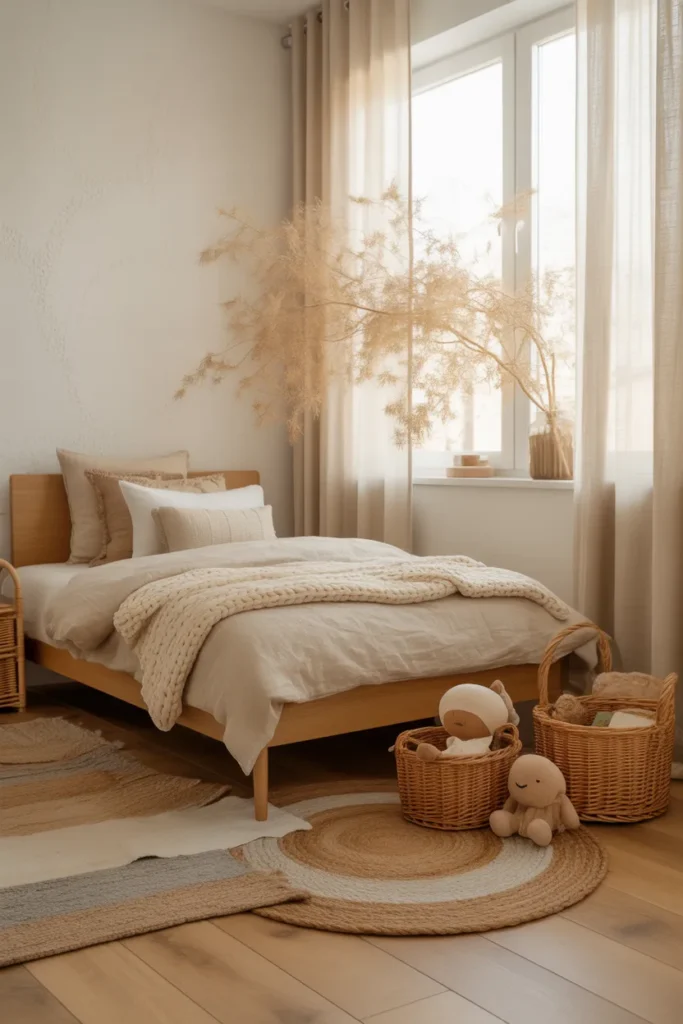
There’s something instantly relaxing about a room filled with warm beige tones, soft whites, and muted textures. Picture a low wooden bed, layered with chunky knit blankets, and sunlight filtering through sheer curtains. It feels calm, but not boring.
Neutrals work because they give you breathing room. You can swap toys, artwork, or bedding without clashing colors. Try placing a soft rug near the bed and a small reading chair by the window where natural light hits in the afternoon.
Best Working Ideas
- Use textured walls like subtle limewash or paneling
- Add wooden shelves at child height
- Keep toys in woven baskets near the play area
- Layer rugs for extra softness underfoot
2. Built-In Reading Nook Kids Actually Use
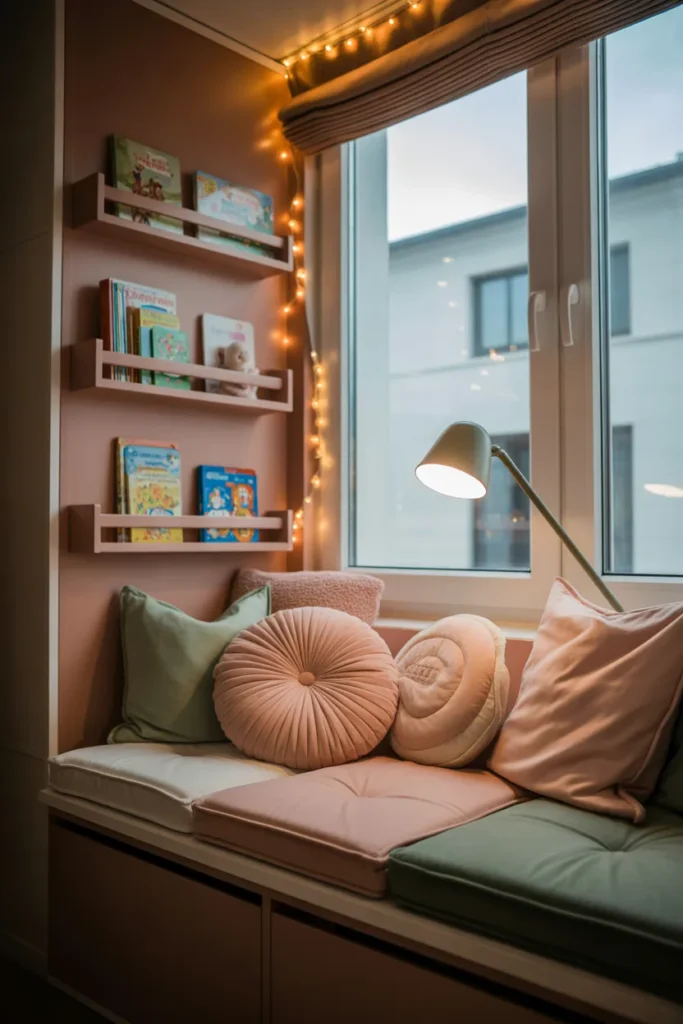
Imagine a little corner tucked by the window, filled with cushions, fairy lights, and a stack of favorite books. It almost feels like a secret hideout.
Here’s the thing. Kids are far more likely to read when the space feels special. Even a small alcove or unused corner can be turned into a cozy nook. Add a wall-mounted lamp slightly above shoulder height so the light falls directly onto the pages.
Best Working Ideas
- Install floating shelves above the nook
- Use a bench with hidden storage underneath
- Add warm LED string lights for a soft glow
- Place it near a window for daytime reading
3. Smart Storage Walls That Hide the Mess
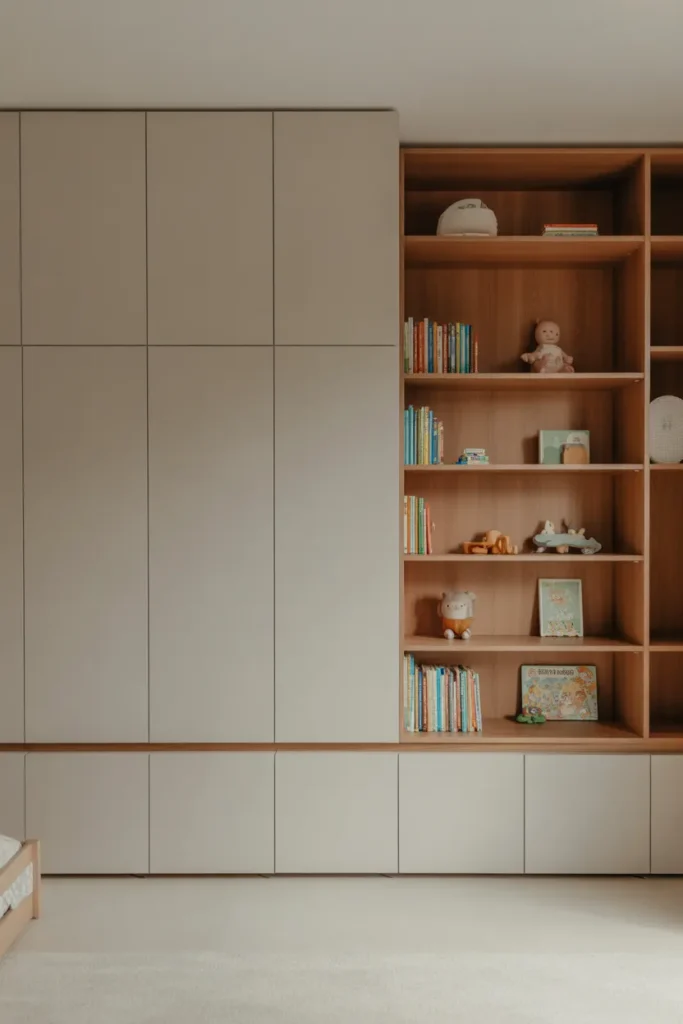
Let’s be honest. Toys multiply overnight. One minute everything is organized, the next it’s chaos.
Floor-to-ceiling storage with closed cabinets on the bottom and open shelving on top keeps things balanced. Place daily-use items within reach and stash clutter behind doors. A good setup is along one main wall, preferably opposite the bed to keep the sleeping area calm.
Best Working Ideas
- Use labeled bins inside cabinets
- Add a mix of open and closed storage
- Keep heavier items on lower shelves
- Include a small display section for favorite toys
4. Soft Pastel Rooms That Feel Like a Dream
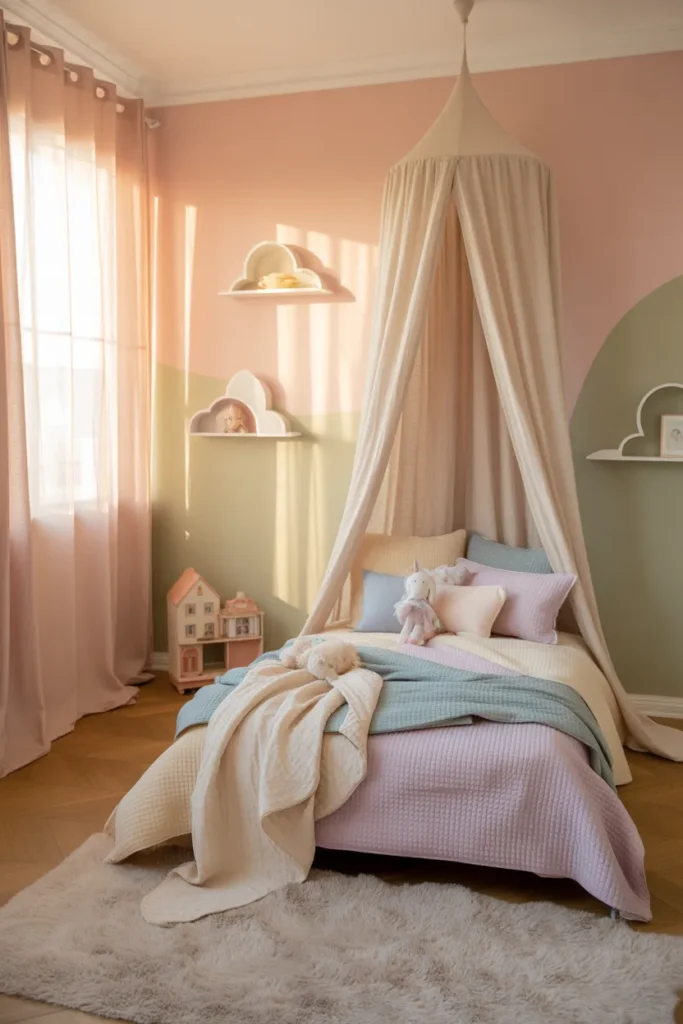
Soft pinks, sage greens, and powder blues create a dreamy atmosphere without overwhelming the space. It feels light, airy, and almost cloud-like.
Pastels work beautifully in rooms with natural light. Try painting one wall in a muted tone and keeping the rest neutral. Place the bed against the pastel wall so it becomes the focal point.
Best Working Ideas
- Use pastel bedding with subtle patterns
- Add a soft canopy above the bed
- Keep furniture light-colored or white
- Incorporate sheer curtains for an airy vibe
5. Montessori-Inspired Layout for Independence
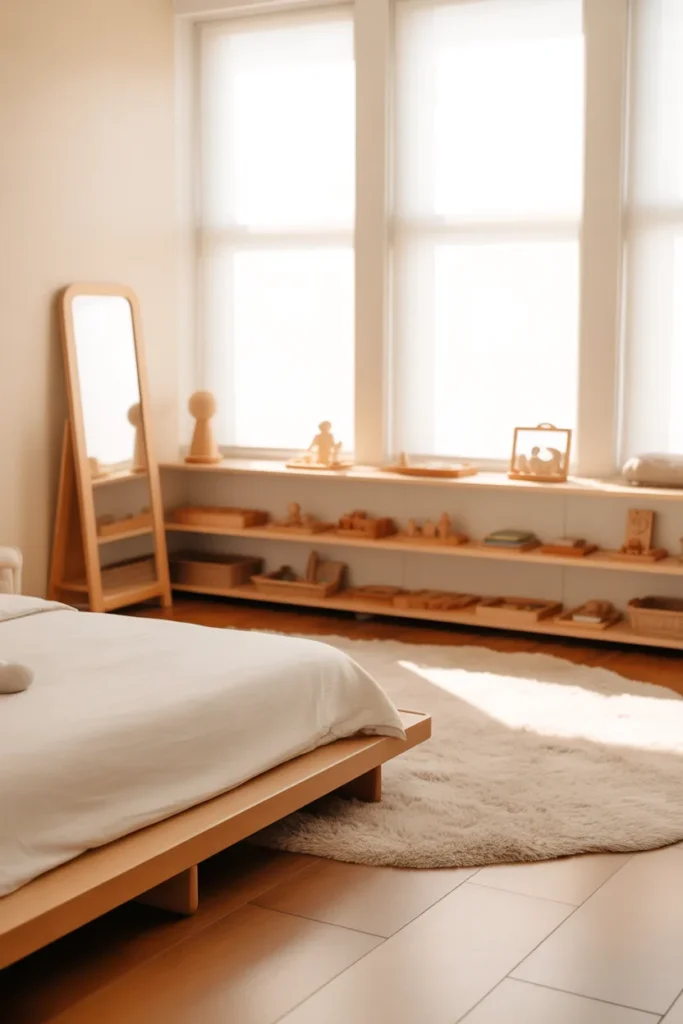
Ever noticed how kids love doing things themselves? A Montessori-style room leans into that.
Low shelves, accessible toys, and a floor bed create a space where your child can move freely. Position storage along the walls and keep the center open for play. It feels simple, but incredibly functional.
Best Working Ideas
- Use open shelves instead of closed cabinets
- Keep only a few toys out at a time
- Place a mirror at child height
- Use floor cushions instead of bulky seating
6. Statement Wall Murals That Spark Imagination
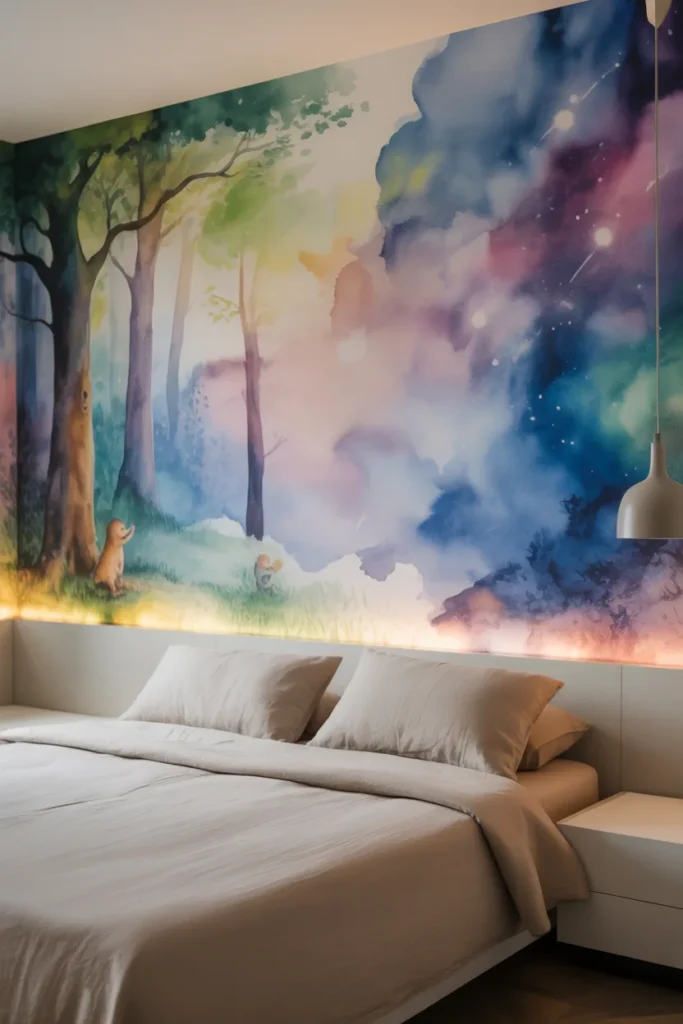
A blank wall can feel… wasted. Now imagine it transformed into a forest, galaxy, or abstract rainbow scene.
Murals instantly give personality without adding clutter. Place the mural behind the bed or desk so it frames the main area. Keep surrounding decor minimal so the artwork stands out.
Best Working Ideas
- Choose peel-and-stick murals for flexibility
- Keep furniture simple around the mural
- Match bedding colors with mural tones
- Use soft lighting to highlight the wall
7. Bunk Beds with Built-In Storage That Save Space
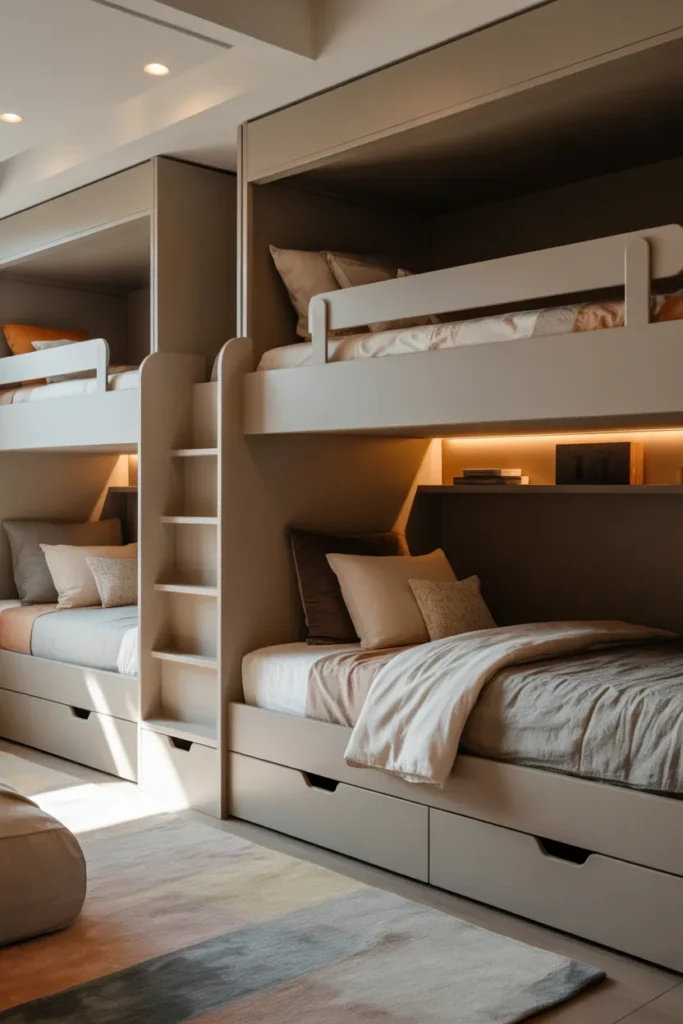
If you’re dealing with a shared room or limited space, bunk beds are a lifesaver. But not the old-school ones.
Modern designs include drawers, shelves, and even mini desks. Place the bunk against a wall with built-in lighting for each level so no one fights over the “better spot.”
Best Working Ideas
- Choose beds with under-drawer storage
- Add individual reading lights for each bunk
- Use neutral bedding to avoid visual clutter
- Keep a soft rug underneath for safety
8. Play Corner That Feels Organized Not Chaotic
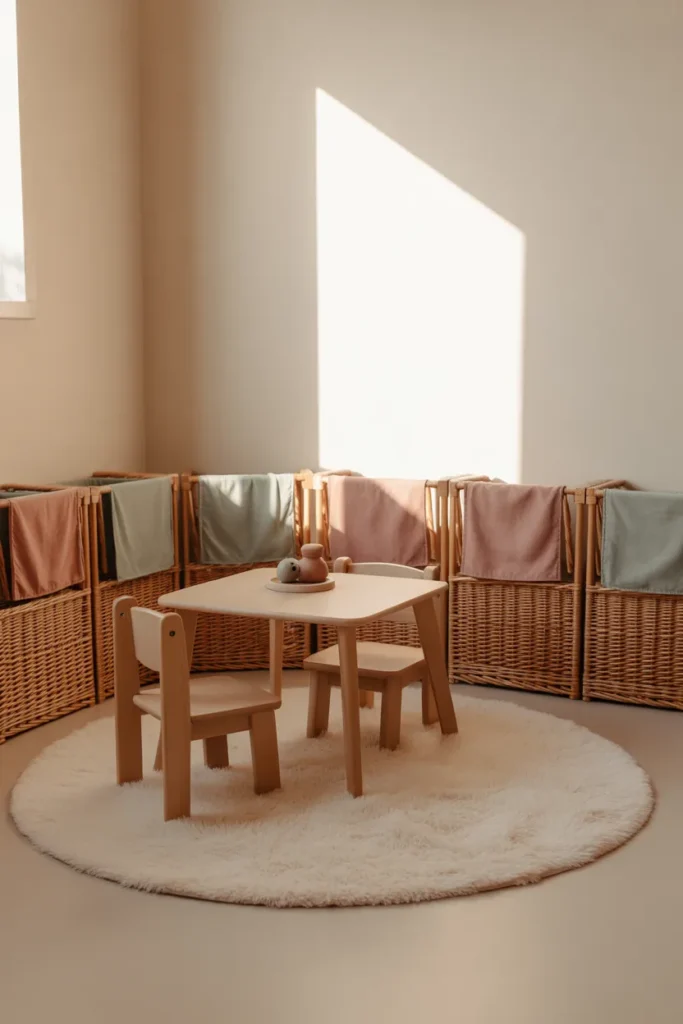
A play area doesn’t have to take over the entire room. Imagine a defined corner with a small table, toy bins, and a soft mat.
Zoning helps keep things visually clean. Place the play corner near storage so cleanup is easy. Keep it away from the bed to separate play and rest.
Best Working Ideas
- Use a rug to define the space
- Keep toy bins within arm’s reach
- Add a small table for crafts
- Rotate toys regularly to avoid clutter
9. Minimalist Kids Room That Still Feels Warm
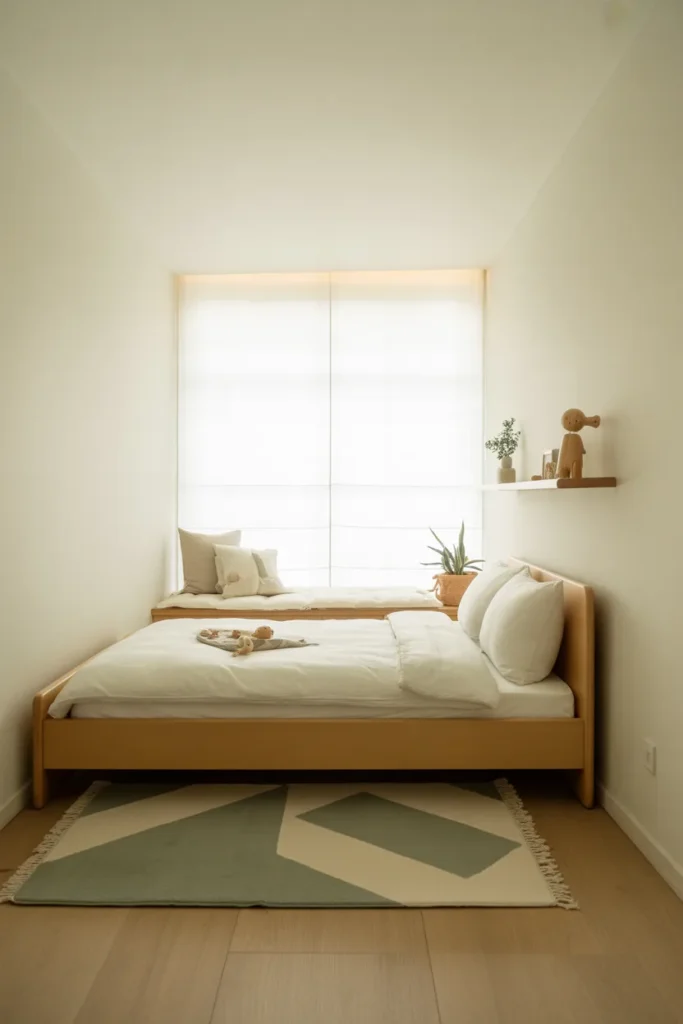
Minimal doesn’t mean empty. It means intentional.
Think a clean layout with a few well-chosen pieces. A simple bed, one statement rug, and a couple of decor items. Leave space between furniture so the room feels breathable.
Best Working Ideas
- Stick to a limited color palette
- Use multi-functional furniture
- Avoid over-decorating walls
- Keep surfaces mostly clear
10. Themed Rooms Without Going Overboard
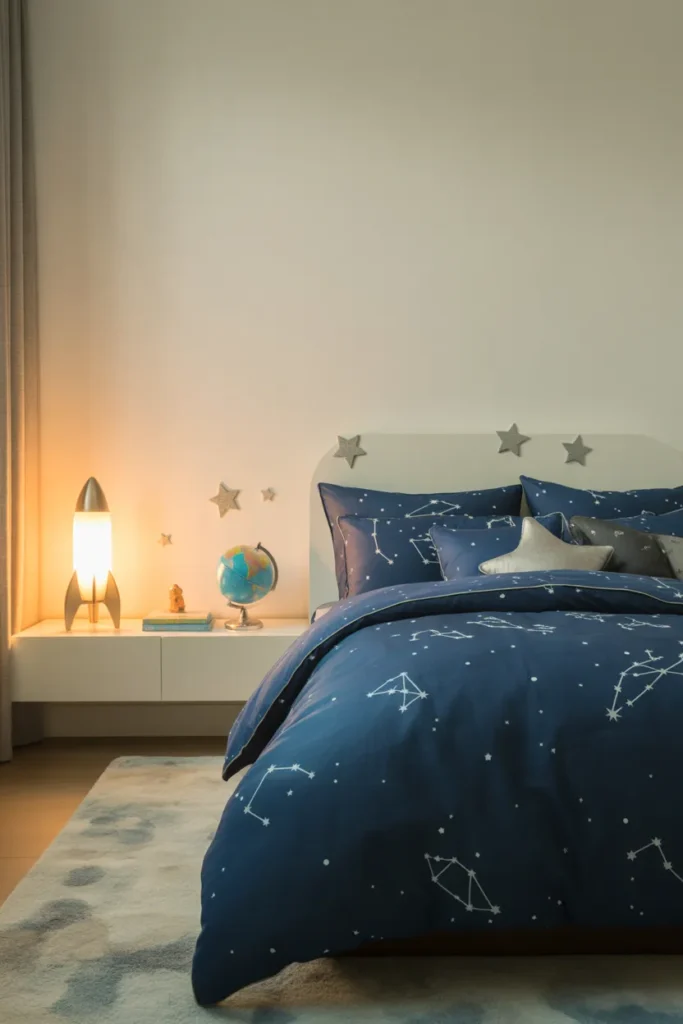
Kids love themes, but full-theme rooms can feel overwhelming fast.
Instead of going all-in, pick one or two themed elements. For example, a space-themed bedding set paired with neutral walls. It keeps the vibe fun without locking you in.
Best Working Ideas
- Use removable wall decals
- Keep large furniture neutral
- Add themed accessories like cushions
- Update small decor as interests change
11. Floor Beds That Feel Cozy and Grounded
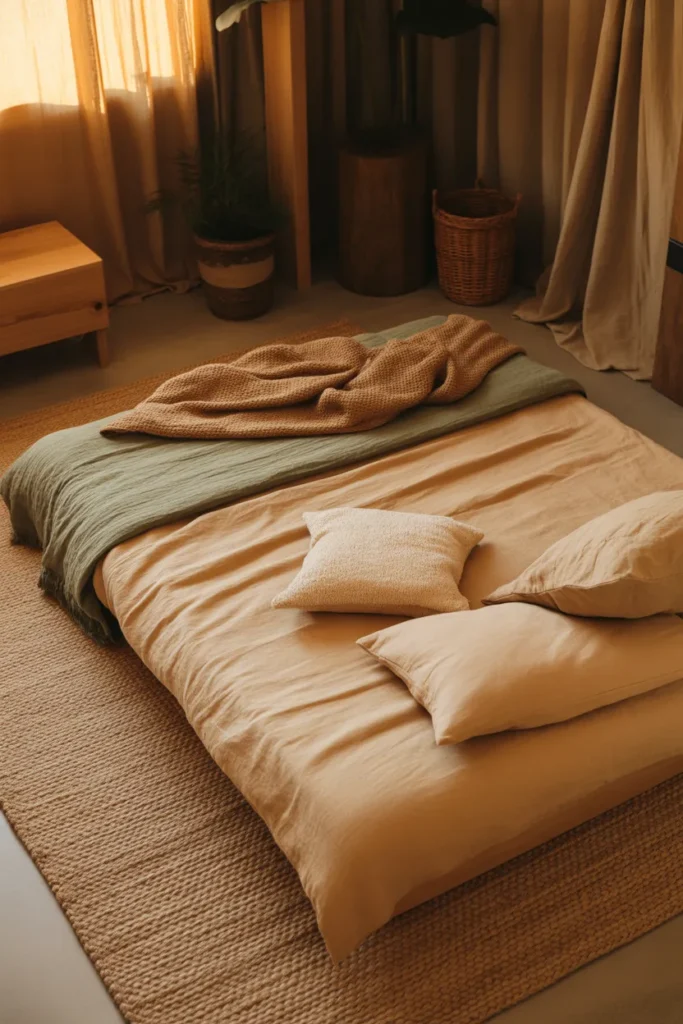
There’s something comforting about being close to the floor. It feels safe and relaxed.
Floor beds work especially well for younger kids. Place the bed near a wall and add a soft rug around it. Keep lighting low and warm for a cozy nighttime vibe.
Best Working Ideas
- Use a thick mattress with a low frame
- Add soft cushions around the bed
- Keep nearby lighting gentle
- Use wall art at lower heights
12. Study Corner That Encourages Focus
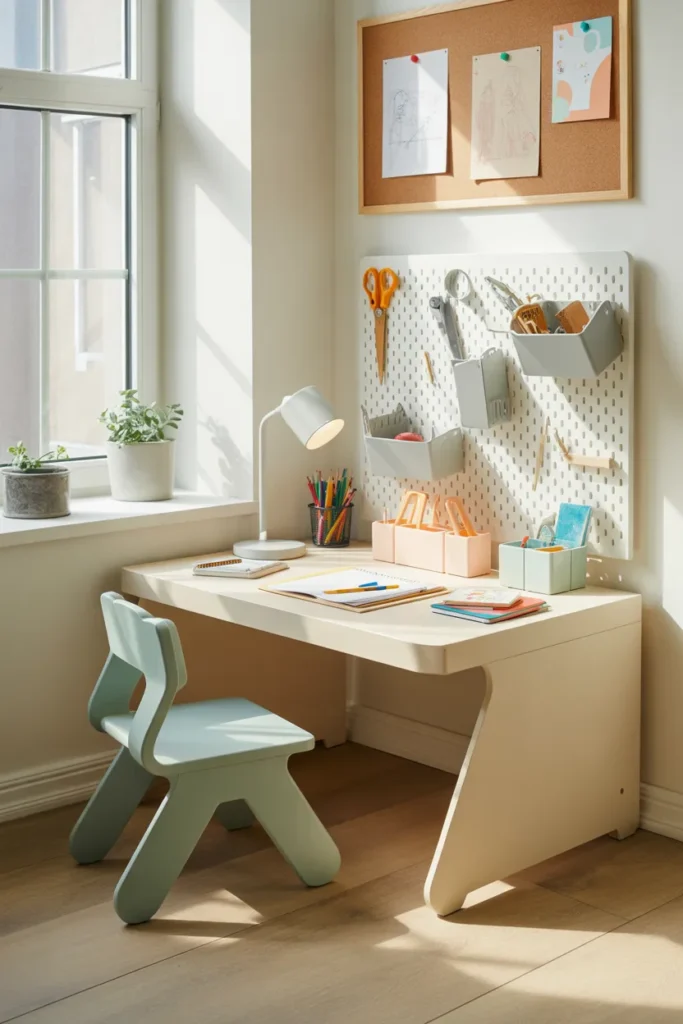
A small desk by the window, a comfy chair, and a clean surface can do wonders.
Position the desk where natural light falls from the side to avoid shadows. Keep supplies organized in drawers or small containers to avoid distractions.
Best Working Ideas
- Use a compact desk with storage
- Add a corkboard or pegboard above
- Keep cables hidden for a clean look
- Use a comfortable, supportive chair
13. Nature-Inspired Rooms with Earthy Textures
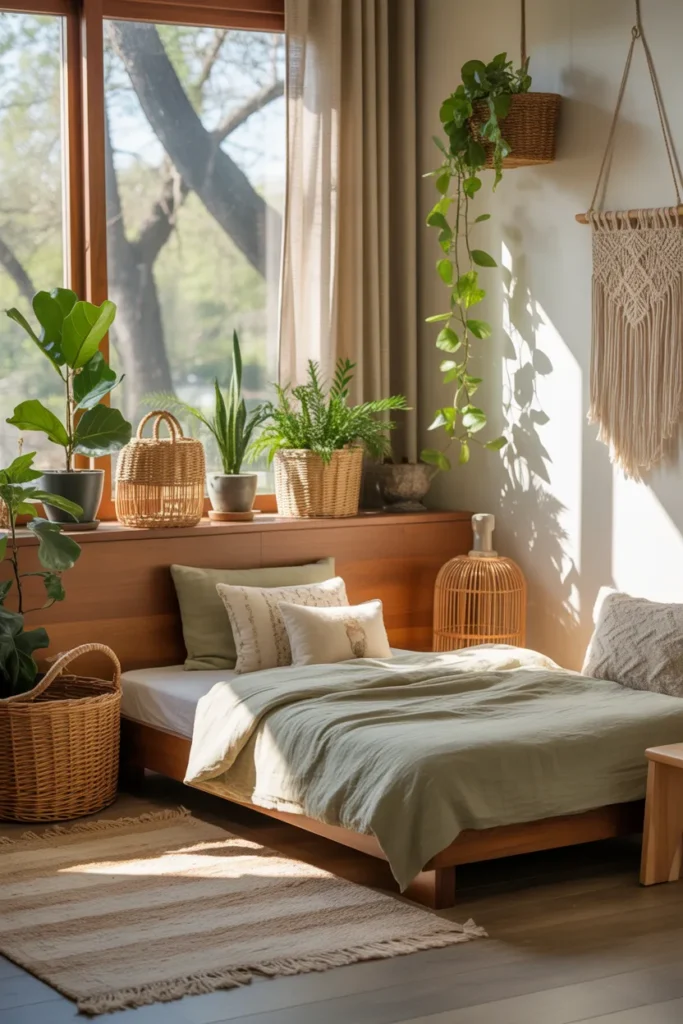
Bring the outdoors in with wood, greenery, and natural tones. It feels grounding and fresh.
Add a small indoor plant on a shelf or near the window. Use wooden furniture and soft linen fabrics to complete the look.
Best Working Ideas
- Use earthy color palettes
- Add woven baskets for storage
- Incorporate plant-themed decor
- Keep lighting warm and natural
14. Loft Beds That Create Extra Space Below
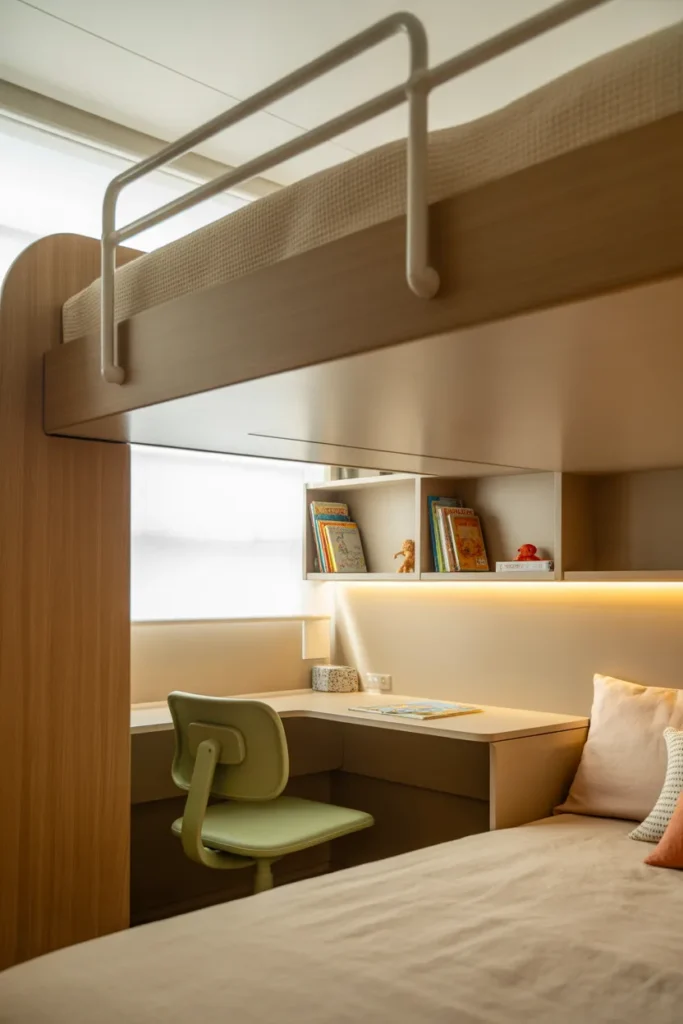
Why waste vertical space?
Loft beds free up the area underneath for a desk, play zone, or cozy seating. Place the bed against a wall and use the lower space creatively.
Best Working Ideas
- Add a desk or reading nook underneath
- Use soft lighting below the bed
- Keep the top area simple and uncluttered
- Add storage bins underneath
15. Accent Lighting That Changes the Mood
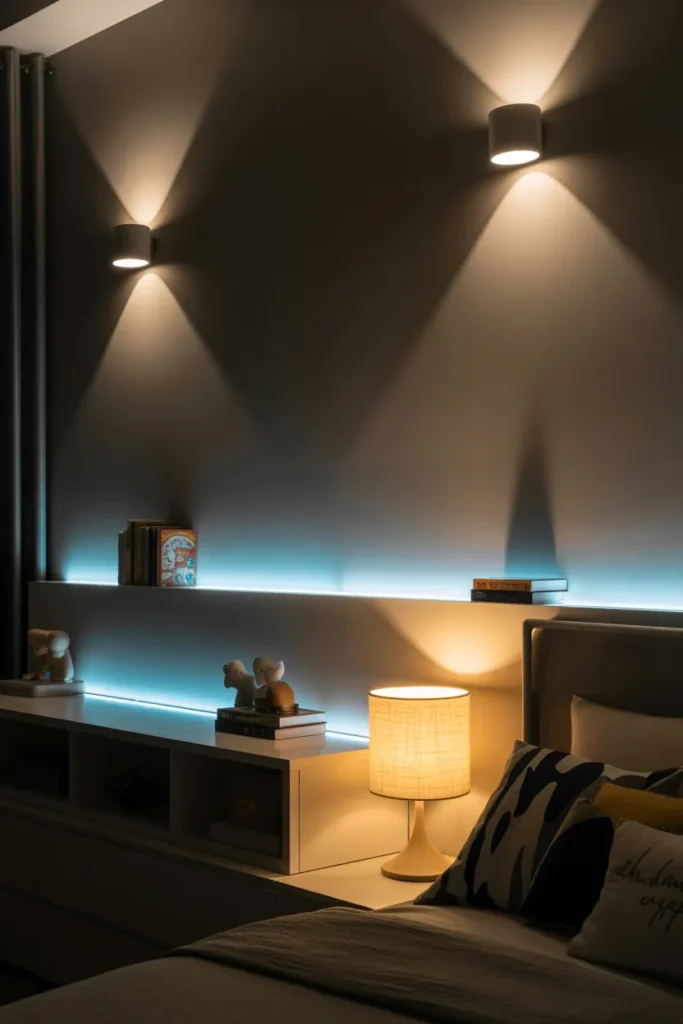
Lighting can completely shift how a room feels.
Soft wall sconces, LED strips under shelves, or a fun bedside lamp add layers. Place lighting at different heights to create depth.
Best Working Ideas
- Use warm-toned bulbs
- Add dimmable lights for flexibility
- Place lamps near reading areas
- Use LED strips under beds or shelves
16. Art Display Wall for Creativity
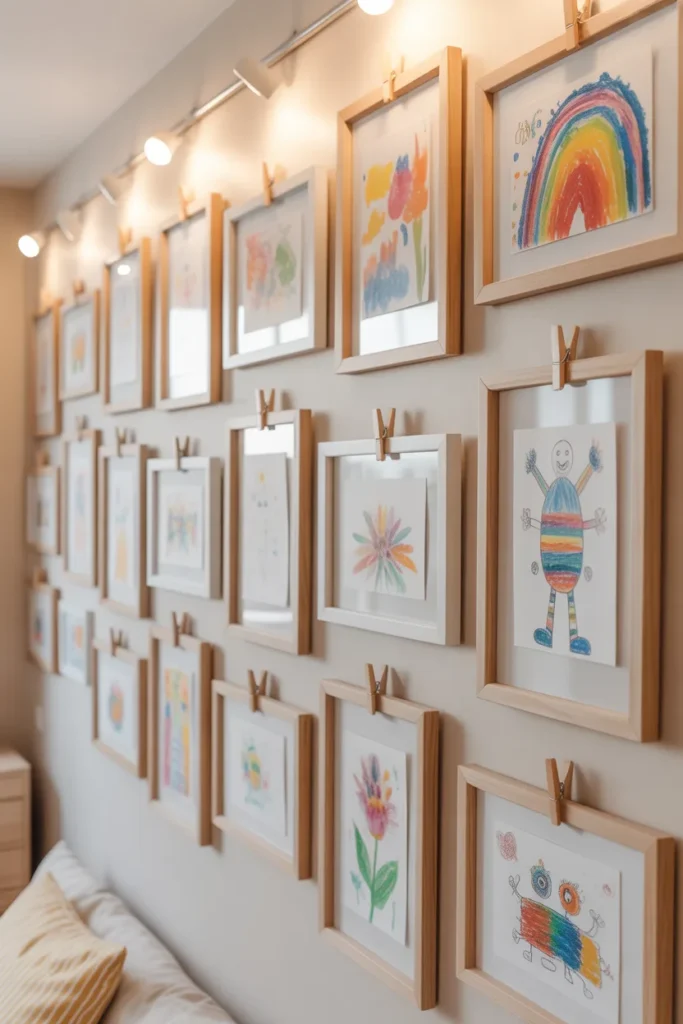
Instead of hiding your child’s artwork, display it proudly.
Create a gallery wall with frames or clips. Place it at eye level so your child can easily swap pieces.
Best Working Ideas
- Use clipboards or wire grids
- Rotate artwork regularly
- Keep frame styles consistent
- Place it near the desk or play area
17. Gender-Neutral Rooms That Grow with Kids
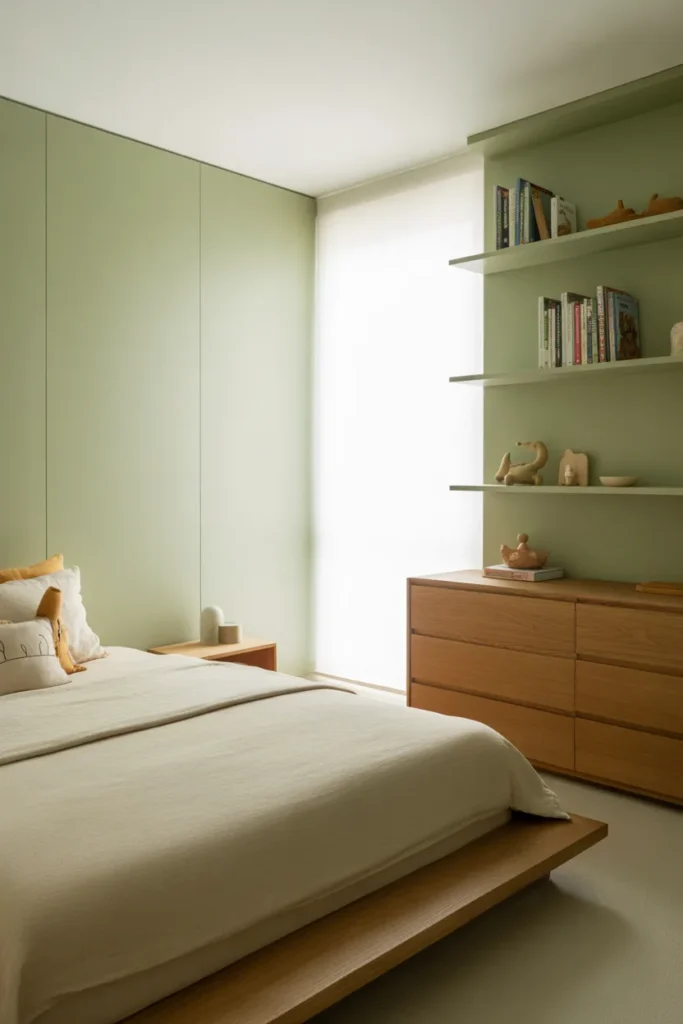
Trends come and go, but a balanced color palette lasts.
Mix soft greens, warm whites, and light wood tones. It feels timeless and adaptable as your child grows.
Best Working Ideas
- Avoid overly themed decor
- Use neutral bedding and furniture
- Add personality through accessories
- Keep the base palette flexible
18. Multi-Functional Furniture That Saves Space
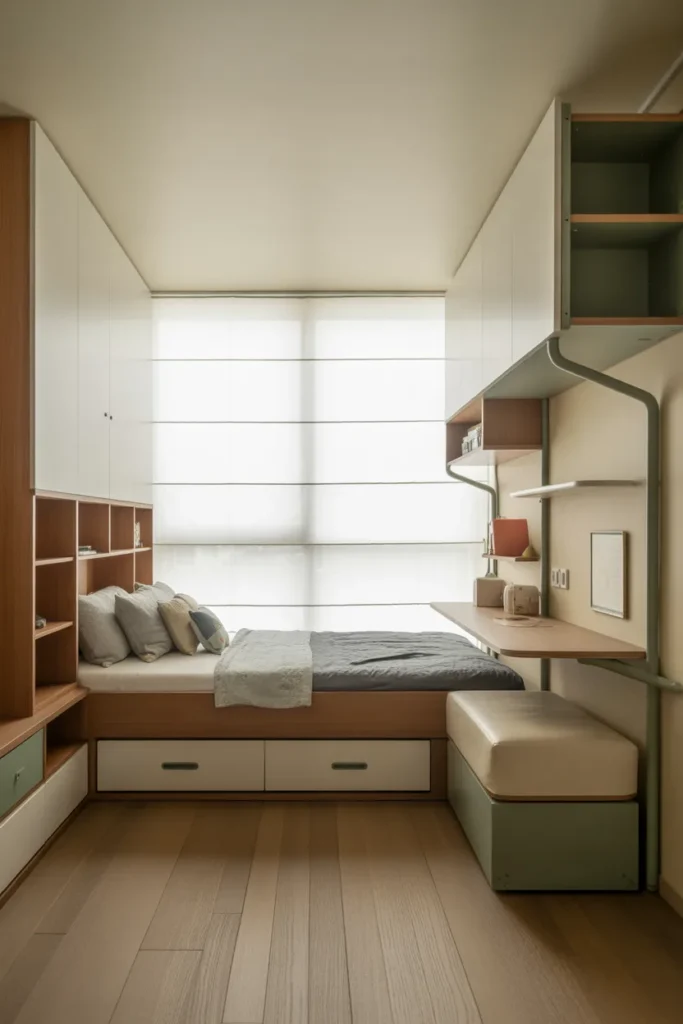
Small room? No problem.
Beds with storage, desks that fold, or benches with hidden compartments help maximize space. Place these pieces where they’re easily accessible.
Best Working Ideas
- Choose furniture with built-in storage
- Use foldable desks or tables
- Keep pathways clear
- Avoid oversized pieces
19. Soft Rugs That Define the Space
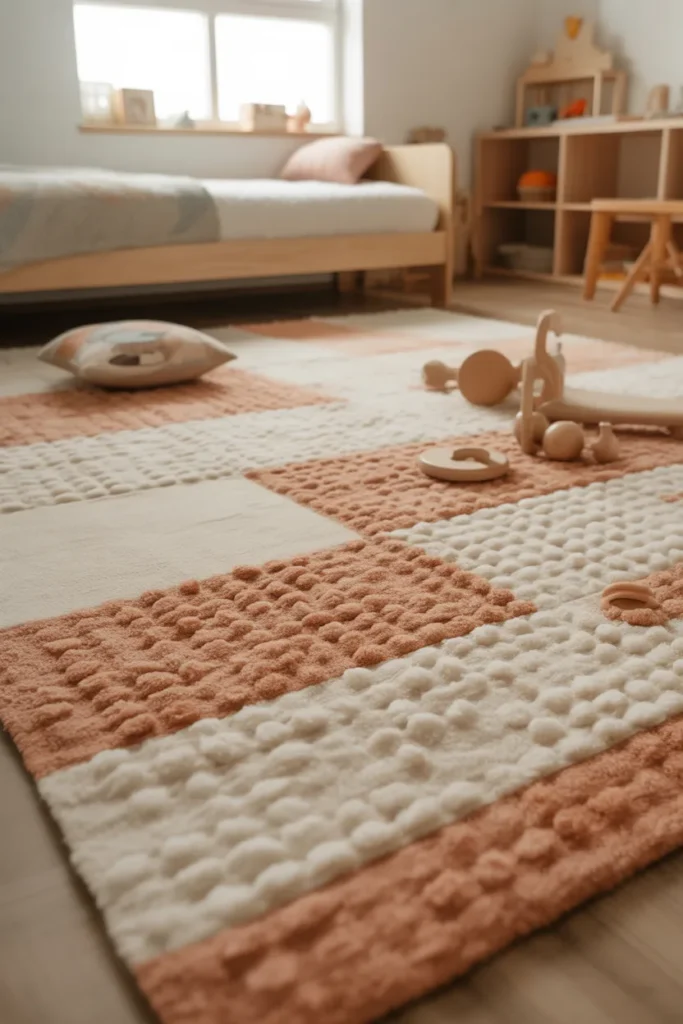
A rug does more than cover the floor. It anchors the room.
Place a large rug under the bed or in the play area. Choose soft materials that feel good under bare feet.
Best Working Ideas
- Use washable rugs for easy cleaning
- Layer smaller rugs for texture
- Choose patterns that hide stains
- Position rugs to define zones
20. Bold Color Pops That Add Energy
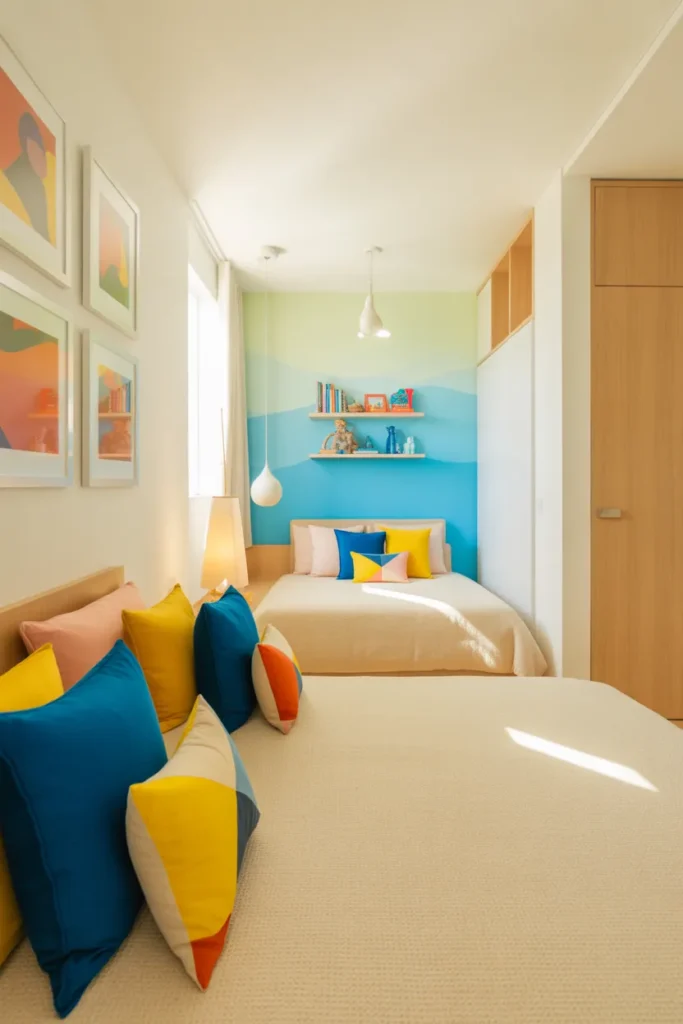
Sometimes, you just need a little drama.
Add bold colors through cushions, artwork, or a single accent wall. Keep the rest of the room neutral so it doesn’t feel overwhelming.
Best Working Ideas
- Use removable wallpaper for color
- Add bright throw pillows
- Keep furniture simple
- Balance bold tones with neutrals
21. Canopy Beds That Feel Magical
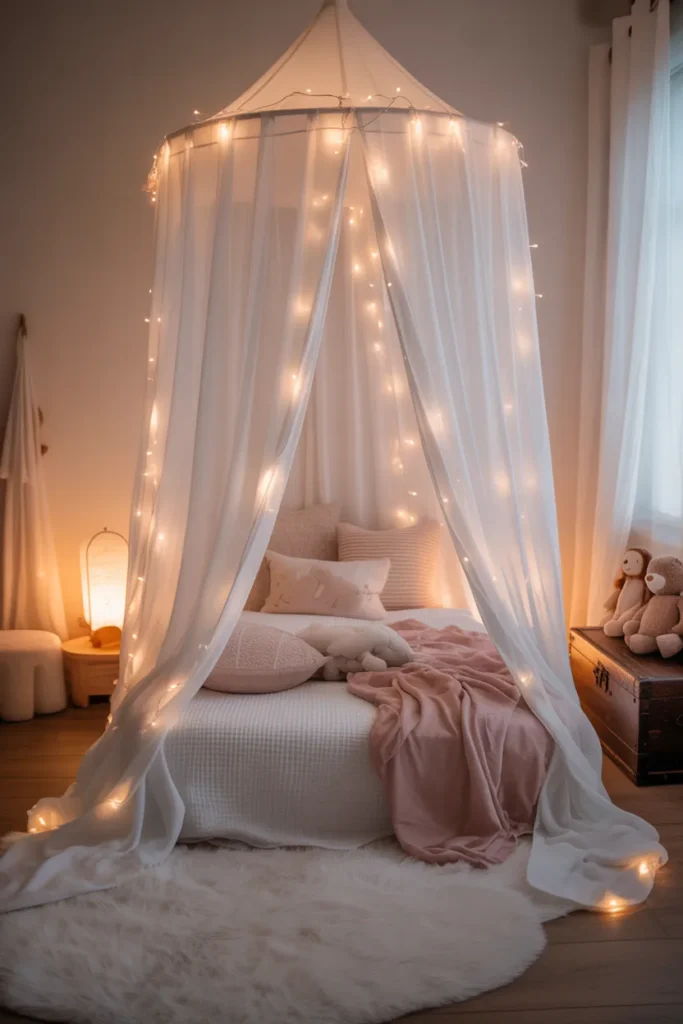
There’s something magical about a soft canopy draped over a bed.
It creates a cozy, enclosed feeling that kids love. Place the canopy slightly off-center for a relaxed look.
Best Working Ideas
- Use lightweight, sheer fabric
- Add fairy lights inside the canopy
- Keep bedding soft and neutral
- Position near natural light
22. Small Room Layouts That Feel Spacious
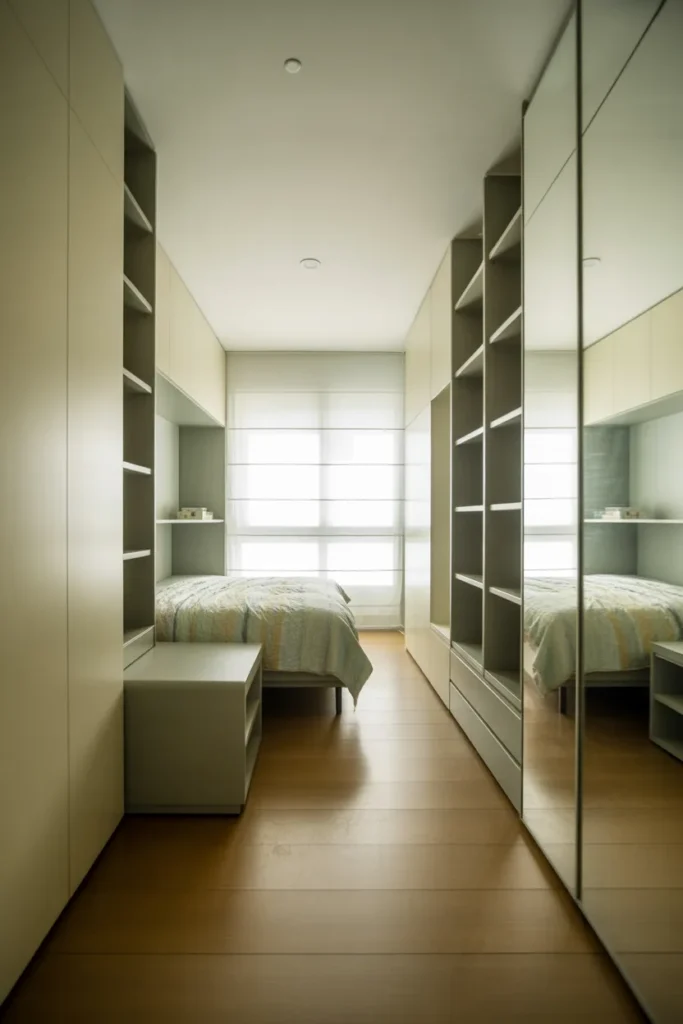
Tight space? It’s all about layout.
Push the bed against one wall, keep furniture minimal, and use vertical storage. Leave the center open to make the room feel bigger.
Best Working Ideas
- Use wall-mounted shelves
- Keep furniture low-profile
- Avoid blocking windows
- Use mirrors to reflect light
23. Personalized Corners That Reflect Their Personality
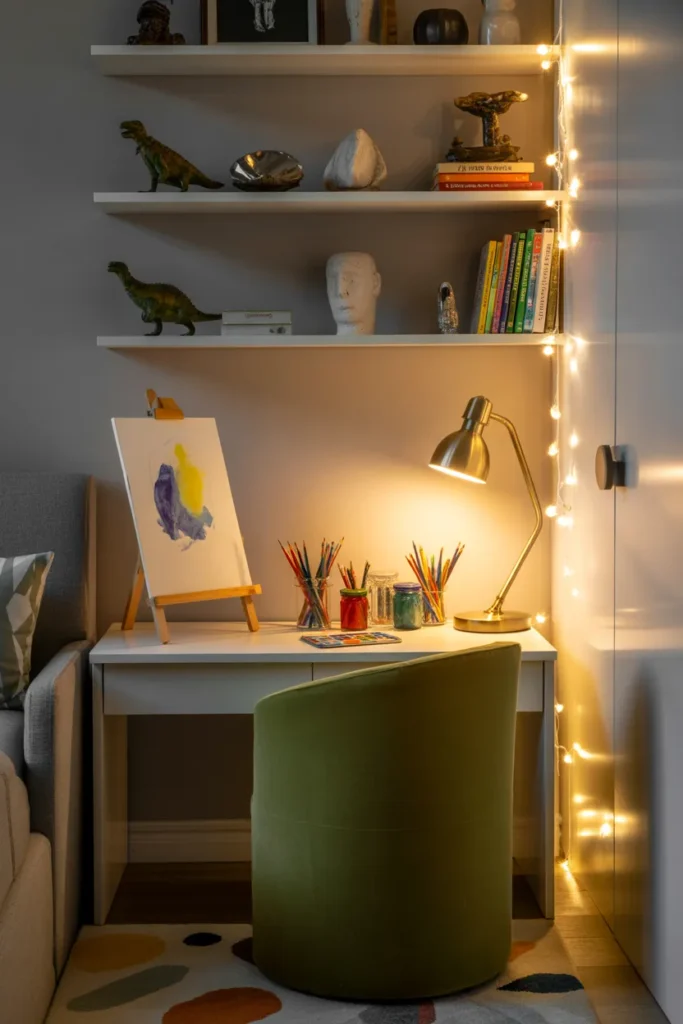
At the end of the day, it’s their space.
Create a small corner with their favorite things. Maybe it’s a music setup, a mini art station, or a display of collectibles. Place it where it’s easily accessible but doesn’t clutter the room.
Best Working Ideas
- Use a dedicated shelf or table
- Rotate items as interests change
- Keep it organized but flexible
- Let your child help design it
Looking for More Ideas?
Looking for more inspiration? Check out
- Small Bedroom Ideas That Feel Bigger
- Cozy Home Decor Ideas for Every Room
- Modern Storage Ideas for Small Spaces
Conclusion
Designing a kid’s room doesn’t have to feel overwhelming or expensive. Honestly, the best spaces aren’t the ones that look perfect. They’re the ones that feel lived in, loved, and flexible enough to grow over time.
Pick one or two ideas from this list and start there. Maybe it’s a reading nook, a new layout, or just swapping out colors. Save this post, revisit it later, and build the room step by step.
Because at the end of the day, a great kids room isn’t about trends. It’s about creating a space your child actually enjoys being in.
Quick Recap
- Neutral rooms make styling easier long-term
- Smart storage keeps clutter under control
- Defined zones improve function and flow
- Lighting plays a huge role in mood
- Multi-functional furniture saves space
- Personal touches make the room feel special