

Look, I get it. You’re scrolling through Pinterest at 2 AM, overwhelmed by perfectly staged bedrooms that look like they belong in a museum rather than someone’s actual home. You want that clean, calming minimalist vibe, but you also want a space that feels warm, inviting, and genuinely yours. Good news—you can absolutely have both.
I’ve spent years obsessing over bedroom design (yes, it’s a thing), and I’ve tested more minimalist concepts than I care to admit. Some were total wins. Others? Let’s just say my bedroom looked like a sad, sterile waiting room for a hot minute. The secret I’ve learned is that minimalism doesn’t mean boring or cold—it means intentional, purposeful, and surprisingly cozy when done right.
So, if you’re ready to transform your bedroom into a serene retreat without sacrificing comfort, these 15 cozy minimalist bedroom design ideas will get you there. Let’s make your sleep space something worth coming home to.
1. Scandinavian Minimalist Bedroom
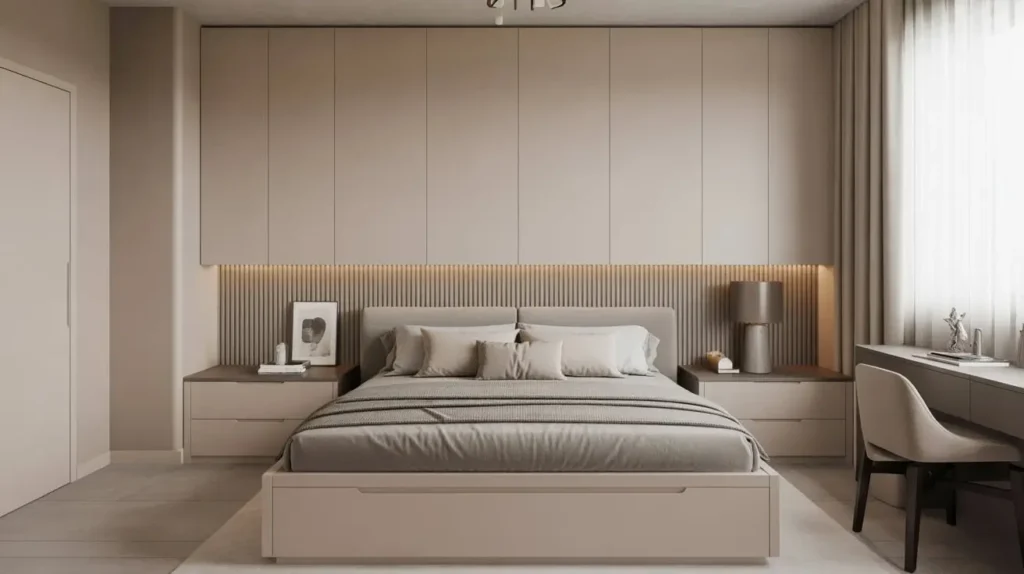
Ever noticed how Scandinavian design just makes you feel instantly relaxed? There’s a reason this style dominates the minimalist world—it perfects the balance between simplicity and warmth.
The Core Elements
A Scandinavian minimalist bedroom relies on clean lines, functional furniture, and a muted color palette. Think whites, soft grays, and pale wood tones that create an airy, open atmosphere. The Scandinavians deal with dark winters, so they’ve mastered the art of making spaces feel light and cozy simultaneously.
The key pieces you’ll want include:
- A simple wooden bed frame with minimal ornamentation
- White or light gray bedding layered with textured throws
- Natural wood nightstands with clean, tapered legs
- Minimal wall art—one or two pieces maximum
- Pendant lights or simple table lamps with warm bulbs
Why It Works
I tried the full Scandinavian approach in my guest bedroom last year, and honestly, guests don’t want to leave. The room feels spacious despite being fairly small, and the warmth comes from those layered textures and natural materials rather than clutter. It’s proof that “less is more” actually means something when you execute it properly.
The beauty here is accessibility—you can achieve this look on almost any budget. IKEA practically invented this aesthetic, and mixing high-low pieces creates that lived-in feel you’re after.
2. Neutral Toned Serenity Bedroom
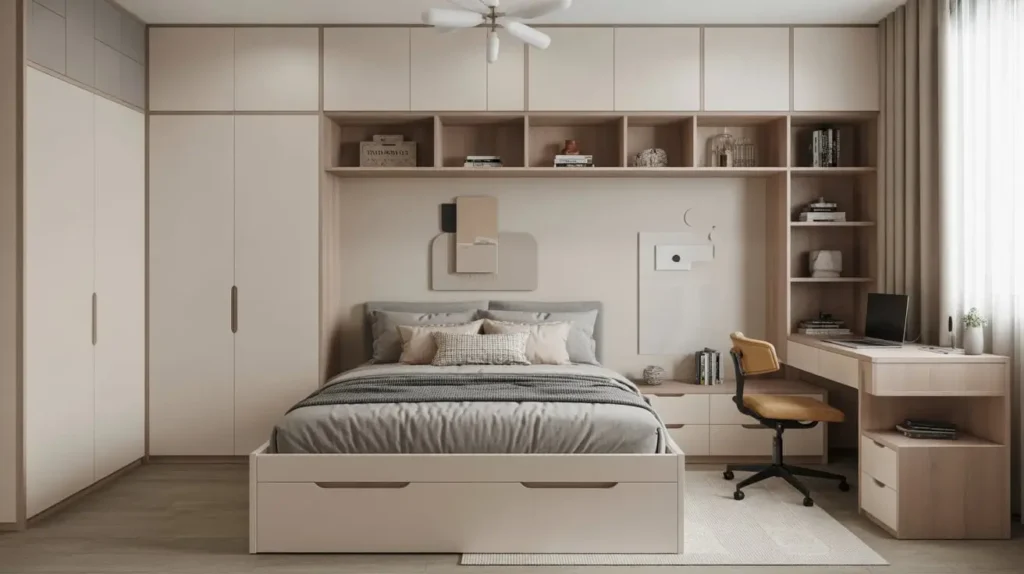
If your goal is creating a bedroom that feels like a spa retreat, neutral tones are your best friend. This approach takes calming seriously.
Building Your Palette
Forget the idea that neutral means beige and boring. A neutral-toned serenity bedroom plays with creams, taupes, warm whites, soft greige, and even muted blush undertones. The trick is layering different shades within the same family to create depth without visual chaos.
Consider these combinations:
- Warm white walls paired with oatmeal bedding
- Greige upholstered headboard against cream curtains
- Sandy beige area rug anchoring the space
- Muted terracotta or dusty rose accents for subtle warmth
Personal Experience
I converted my master bedroom to this palette two years ago, and my sleep quality genuinely improved. There’s something about eliminating visual stimulation before bed that helps your brain wind down. The absence of bold colors creates a natural relaxation response—and no, I’m not just making that up. Studies back this.
The maintenance is easier too. Everything coordinates, so adding new pieces never feels like a puzzle.
3. Small Space Minimalist Bedroom Hacks
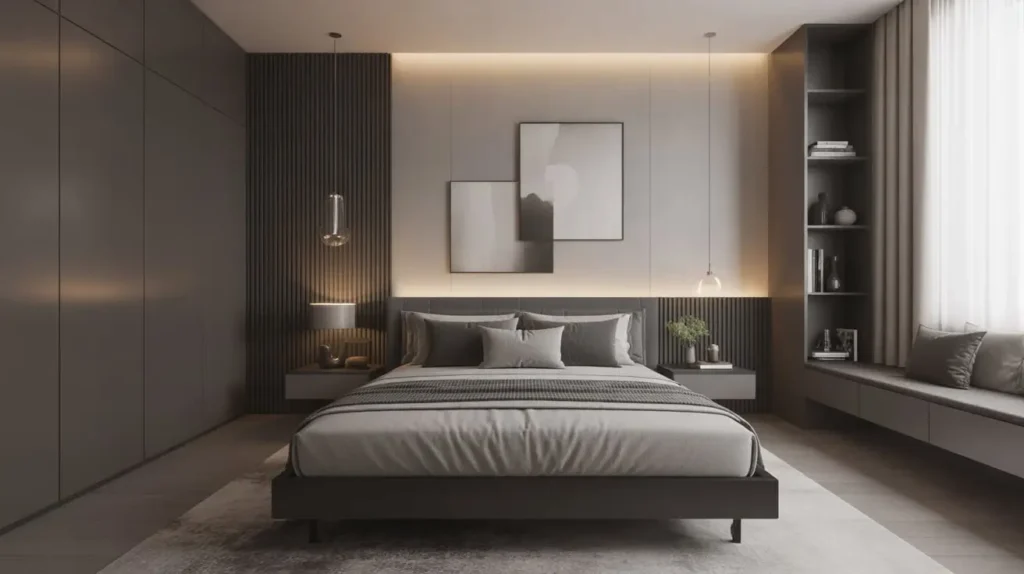
Living in a tiny bedroom doesn’t mean you can’t embrace minimalism—it actually makes it essential. Small spaces demand intentional choices, which is the entire point of minimalist design anyway.
Smart Space Solutions
Here’s what actually works for compact bedrooms:
- Choose a platform bed with a low profile to create the illusion of higher ceilings
- Skip the traditional nightstand and opt for wall-mounted shelves instead
- Use a large mirror strategically to bounce light and visually double the space
- Go vertical with storage rather than spreading outward
- Select furniture with exposed legs to show more floor space
What I Learned the Hard Way
FYI, I once made the mistake of cramming a full bedroom set into a 10×10 room. Disaster. The space felt suffocating, and I literally bumped into furniture every morning. Switching to a minimalist approach with multi-functional pieces completely changed the vibe.
The real hack? Edit ruthlessly. In a small bedroom, every item needs to earn its place. If something doesn’t serve a function or bring genuine joy, it’s gone.
4. Minimalist Bedroom with Hidden Storage
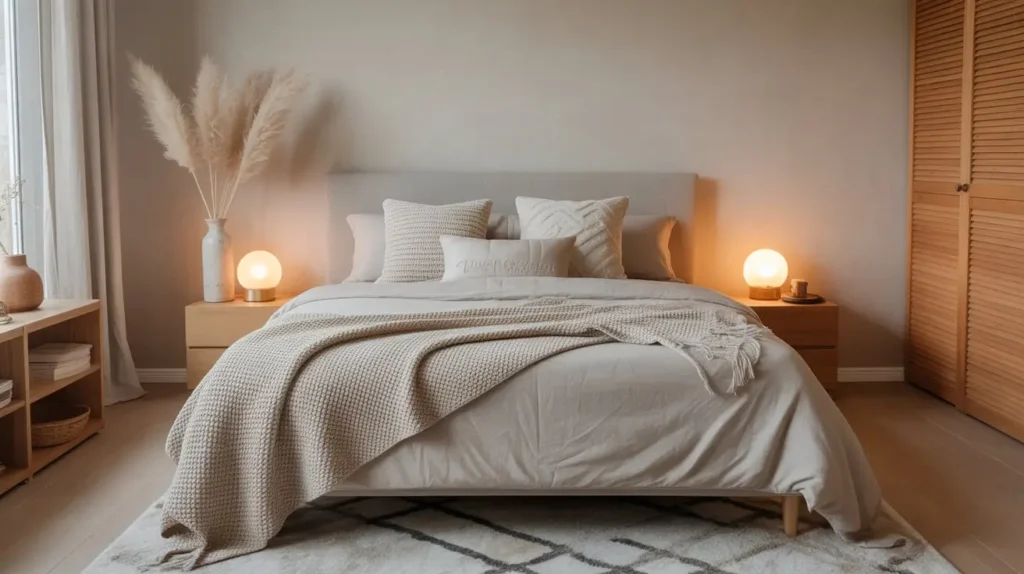
Who says minimalism means sacrificing storage? The cleverest minimalist bedrooms hide their storage in plain sight.
Invisible Organization
Hidden storage is the ultimate minimalist move because it keeps your space visually clean while maintaining full functionality. Consider these options:
- Ottoman beds that lift to reveal massive storage underneath
- Floating nightstands with drawers that appear to have no storage
- Built-in wardrobes flush with the walls that blend seamlessly
- Bed frames with integrated drawers instead of visible under-bed boxes
- Hollow headboards with concealed shelving
The Investment Angle
Yes, furniture with hidden storage often costs more upfront. But here’s the thing—you eliminate the need for additional storage pieces, which saves money and space long-term. I invested in an ottoman bed three years ago, and I store off-season clothes, extra bedding, and luggage inside it. No visible clutter, maximum functionality.
It’s basically Marie Kondo’s dream scenario.
5. Modern Monochrome Minimalist Bedroom
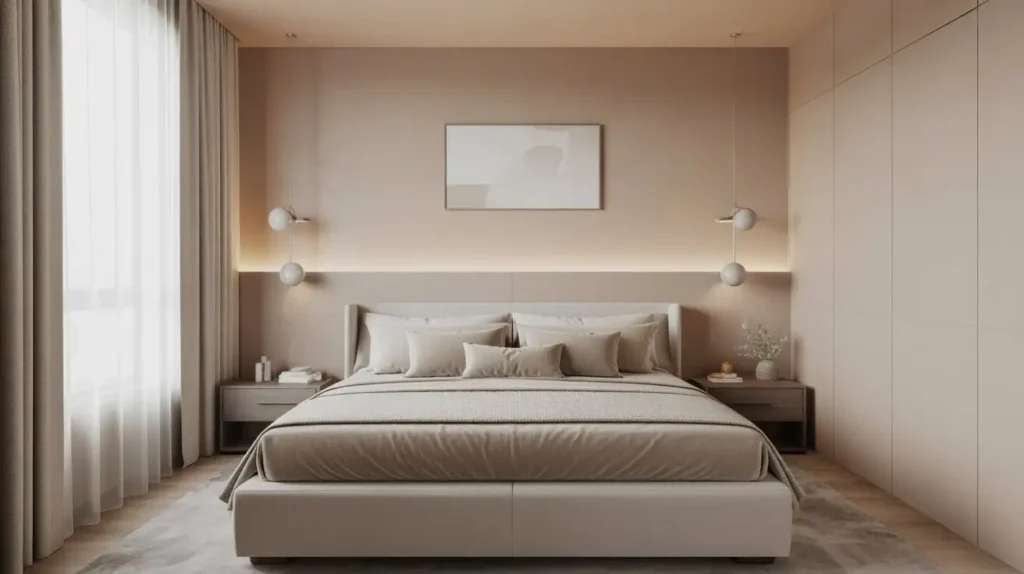
Ready to commit fully to a single color story? A monochrome minimalist bedroom creates serious visual impact through restraint.
Choosing Your Tone
Monochrome doesn’t mean everything has to be the exact same shade. Instead, you work within variations of one color:
- All-white rooms with varying textures and tones from bright to cream
- Charcoal and gray schemes layered from light silver to deep graphite
- Warm beige variations spanning from ecru to camel
- Soft black and off-black combinations for drama lovers
Making It Cozy
Here’s where people mess up monochrome bedrooms—they forget texture. A flat, single-color room feels like a hospital. A textured monochrome room feels sophisticated and intentional. Layer materials like linen, velvet, wool, and cotton in your chosen color family to add visual interest and physical warmth.
I experimented with an all-gray bedroom once, and the trick was mixing matte, satin, and textured surfaces. Same color, completely different feel.
6. Cozy Minimalist Bedroom with Textures
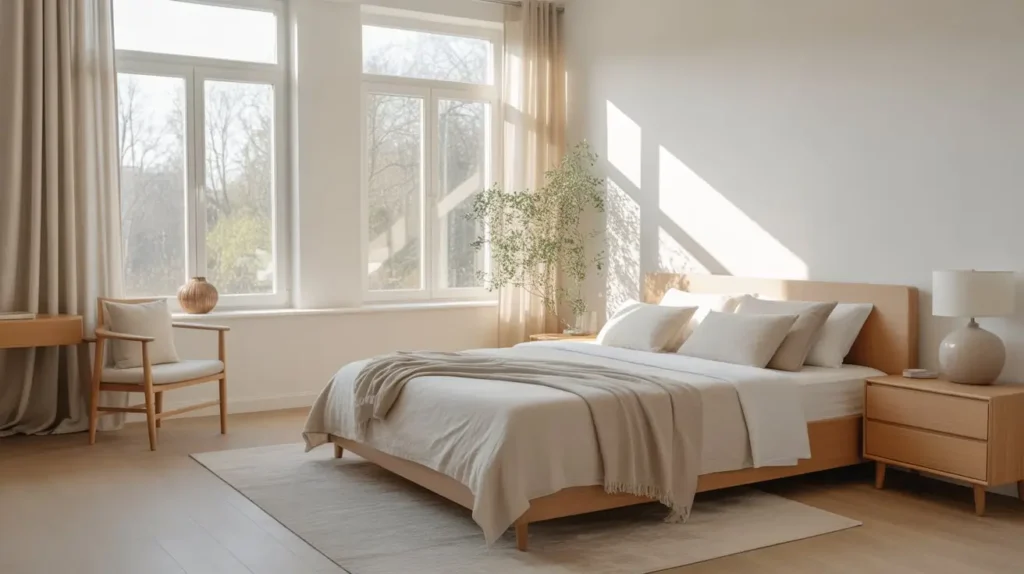
Speaking of texture—this is the secret weapon for anyone who thinks minimalism feels cold. Textures transform minimal spaces from sterile to inviting.
Texture Layering Techniques
You want contrast. Smooth against rough. Soft against structured. Consider mixing:
- Chunky knit blankets over smooth cotton sheets
- Linen curtains creating soft folds against painted walls
- Wool or shag rugs beneath sleek bed frames
- Woven baskets for visual warmth and storage
- Velvet throw pillows adding tactile luxury
The Comfort Factor
Texture is what makes you want to actually touch and interact with a space. My own bedroom includes a waffle-weave duvet cover, a chunky wool throw at the foot of the bed, and linen curtains. The room looks minimal, but it feels incredibly cozy.
You don’t need twenty decorative items. You need five items with excellent texture that invite you to relax.
7. Minimalist Bedroom for Couples
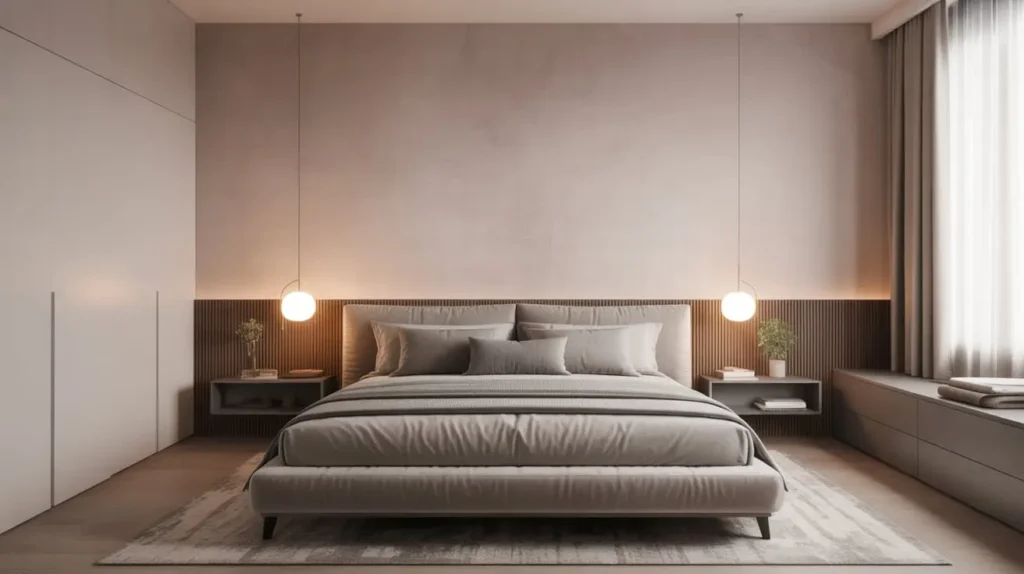
Designing a minimalist bedroom for two people requires compromise—and honestly, that’s where things get tricky.
Balancing Two Aesthetics
Couples rarely have identical design preferences. The key is finding common ground in neutral territory while allowing small personal touches. Here’s how:
- Symmetry creates balance—matching nightstands and lamps prevent one side from dominating
- Choose a neutral base palette that both partners agree on
- Allocate personal zones where each person can display one meaningful item
- Select a bed frame both love—this is the non-negotiable centerpiece
- Keep artwork minimal but meaningful to both partners
Real Talk
My partner and I went through three different bedroom configurations before finding what worked. He wanted darker, moodier tones; I wanted light and airy. Our compromise? Warm white walls with charcoal bedding and natural wood accents. Neither of us got exactly what we wanted, but we both love the result.
The lesson? Minimalism for couples is about creating shared space, not competing visions.
8. Minimalist Bedroom with Natural Light
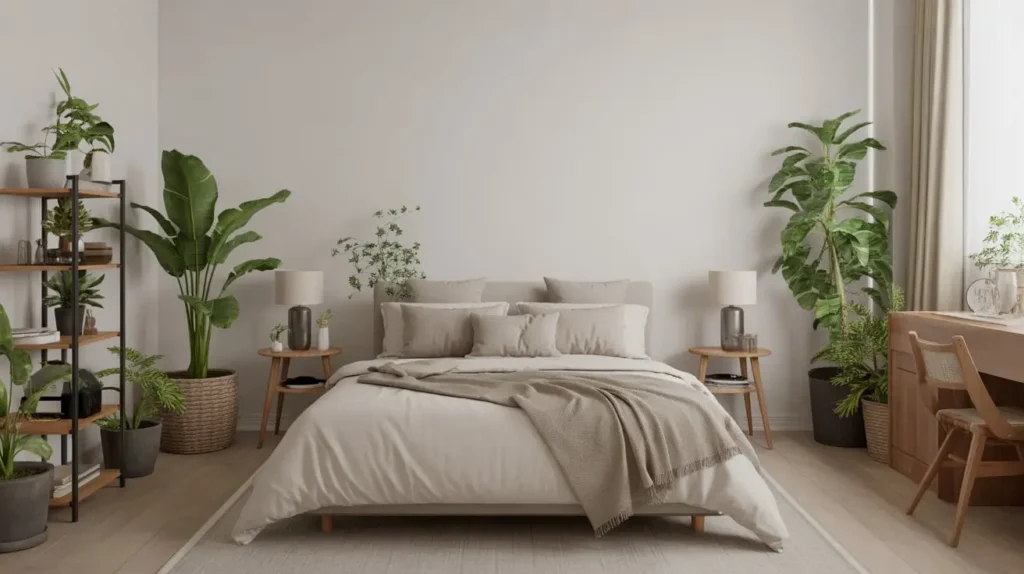
Natural light is the most underrated design element in any bedroom. It’s free, it’s beautiful, and it fundamentally changes how a space feels throughout the day.
Maximizing Your Light
If you’re blessed with good natural light, don’t waste it. Here’s how to amplify it:
- Keep window treatments minimal—sheer curtains or simple blinds
- Position mirrors to reflect light deeper into the room
- Choose white or light-colored walls that bounce rather than absorb
- Avoid heavy, dark furniture that creates visual weight
- Remove any furniture blocking windows
When Light Is Limited
Not everyone has floor-to-ceiling windows (wouldn’t that be nice?). If your bedroom lacks natural light, fake it strategically. Use warm-toned artificial lighting, paint with high-LRV colors, and incorporate reflective surfaces like glass or metallics. IMO, good lighting design matters more than most furniture choices.
9. Minimalist Bedroom with Statement Wall
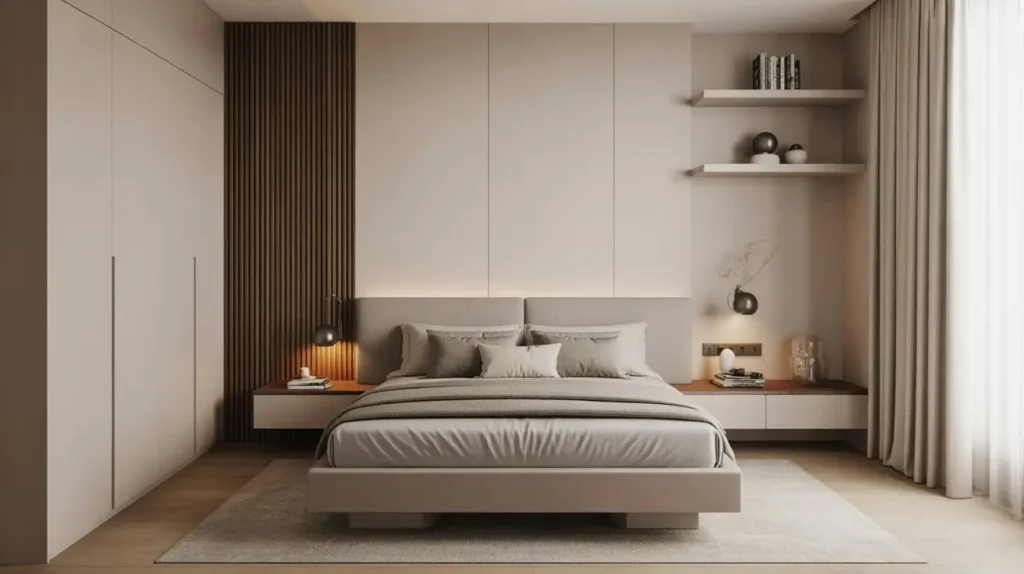
Who says minimalism can’t have personality? A statement wall provides visual interest without cluttering the entire room.
Statement Wall Options
Your accent wall can take many forms:
- Textured wall panels in wood slats or fluted designs
- A bold paint color on one wall only
- Subtle wallpaper with organic patterns
- Natural stone or brick exposed on one surface
- A gallery wall with curated, minimal artwork
Placement Matters
The statement wall typically works best behind the headboard. This placement draws the eye naturally and creates a focal point without overwhelming the space. Keep the other three walls neutral and simple—let your statement wall do all the talking.
I added vertical wood slat panels behind my bed last year, and it transformed a flat, boring room into something with actual character. Total game-changer for minimal investment.
10. Minimalist Bedroom with Floating Furniture
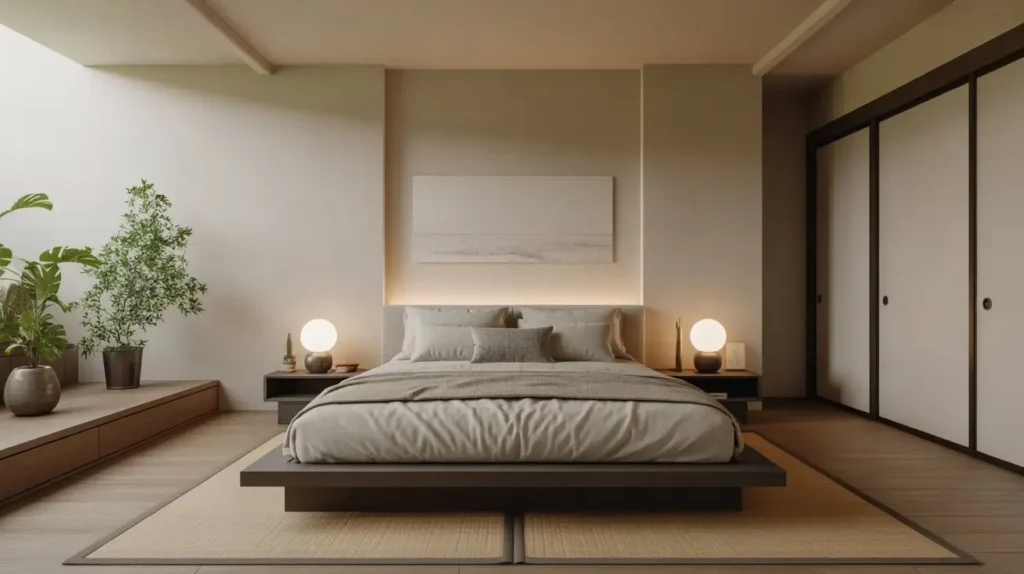
Want your bedroom to feel like it’s defying gravity? Floating furniture creates visual lightness and makes cleaning ridiculously easy.
Floating Options
Consider these gravity-defying pieces:
- Wall-mounted nightstands that hover beside the bed
- Floating shelves instead of traditional dressers
- A suspended bed frame with hidden mounting
- Wall-mounted desks for bedroom workspaces
- Floating vanities with concealed brackets
The Practical Benefits
Beyond aesthetics, floating furniture offers serious practical advantages. Visible floor space makes rooms appear larger, cleaning underneath takes seconds, and the overall effect feels modern and intentional.
I installed floating nightstands in my bedroom, and honestly, I’ll never go back. No more dust bunnies hiding in corners, no more feeling cramped. The room breathes better.
11. Minimalist Bedroom with Indoor Plants

Plants and minimalism might seem contradictory—after all, isn’t the point to reduce items? But strategic greenery enhances minimalist spaces without creating clutter.
Choosing the Right Plants
Not every plant suits a minimalist bedroom. You want sculptural, architectural plants that make a statement without fuss:
- Snake plants with their clean vertical lines
- Fiddle leaf figs for dramatic impact (one is enough)
- Pothos cascading from a single shelf
- Rubber plants with bold, graphic leaves
- Peace lilies for low-light bedrooms
Less Is More (Literally)
The minimalist approach to plants means quality over quantity. One statement plant beats five scattered succulents every time. Choose a beautiful pot, position the plant intentionally, and let it become a focal point rather than an afterthought.
My bedroom has exactly one plant—a large snake plant in a matte black pot near the window. It’s all the greenery the space needs 🙂
12. Minimalist Bedroom for Teens
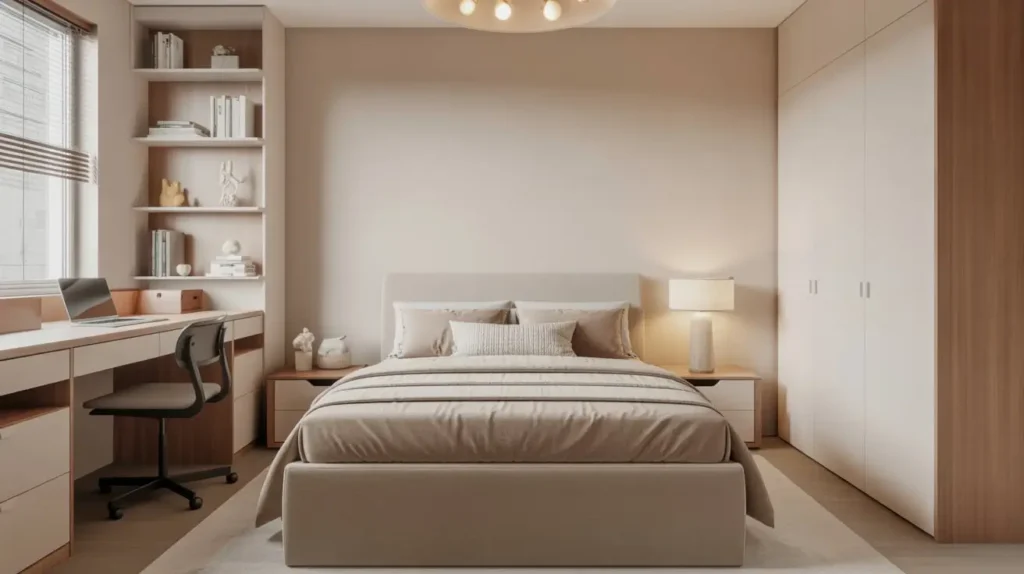
Designing a minimalist bedroom for a teenager requires accepting that their needs differ from adult spaces. Functionality, personality, and flexibility matter here.
Teen-Specific Considerations
Teenagers need spaces that:
- Support studying with adequate desk space and lighting
- Express personality without chaos
- Adapt over time as tastes evolve rapidly
- Hide teenage mess because let’s be realistic
- Accommodate technology thoughtfully
Finding the Balance
The trick with teen minimalism is creating a framework they can personalize. Start with neutral, quality basics—a good bed frame, simple desk, and adequate storage. Then allow them to add personality through removable elements like posters, bedding, and string lights.
My niece’s minimalist teen room has clean white furniture and walls, but she swaps out her comforter and wall art seasonally. The bones stay minimal; the personality rotates. Everyone wins.
13. Minimalist Bedroom with Smart Organization

Organization is the backbone of any functional minimalist bedroom. Smart organization systems keep clutter invisible while maintaining easy access to everything you need.
Organization Essentials
Invest in these organizational tools:
- Drawer dividers for clothing and accessories
- Under-bed containers for seasonal items
- Closet systems with designated zones
- Bedside caddies for phones and small items
- Cable management solutions for electronics
The Daily Maintenance
Here’s what nobody tells you about minimalist bedrooms—they require daily maintenance. The good news? When everything has a designated spot, tidying takes about three minutes. I do a quick reset every morning: make the bed, put away any stray items, done. That’s it.
The system only works if you commit to it. But once you do, maintaining that clean, calming space becomes second nature.
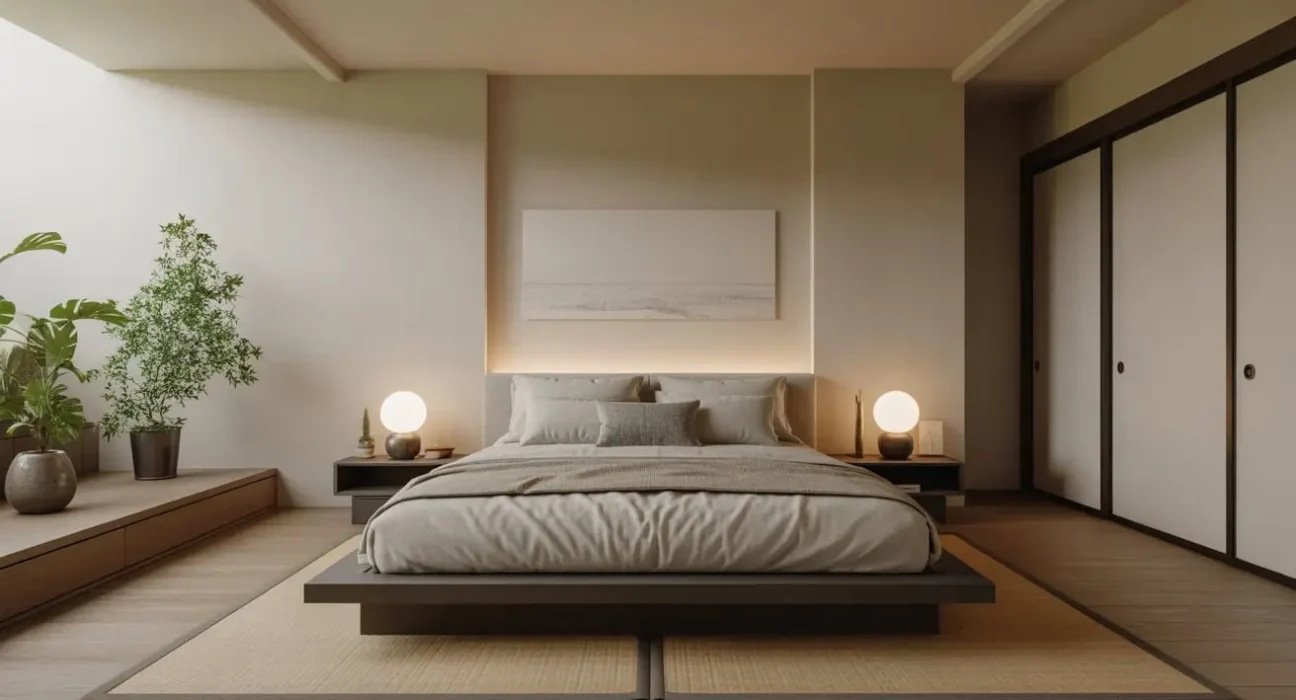
14. Minimalist Bedroom with Zen Vibes
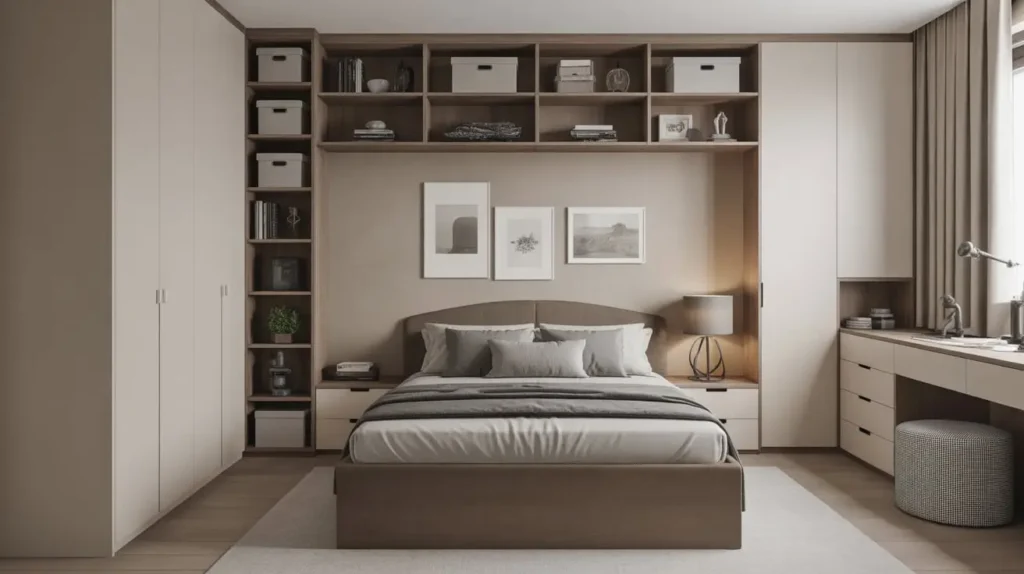
Want your bedroom to feel like a meditation retreat? A Zen-inspired minimalist bedroom takes simplicity to its most calming extreme.
Zen Design Principles
The Zen approach emphasizes:
- Ground-level sleeping with platform or floor beds
- Natural materials exclusively—wood, bamboo, cotton, linen
- Earth tones and soft whites throughout
- Minimal furniture with only essential pieces
- Intentional empty space as a design element itself
Creating Serenity
Zen bedrooms embrace ma—the Japanese concept of negative space. Empty areas aren’t wasted; they’re essential to the design’s impact. Every object carries purpose, and the spaces between objects matter equally.
I attempted a Zen bedroom setup during a particularly stressful work period, and the impact on my mental state was noticeable. Waking up in a space designed for peace genuinely affects how you start your day.
15. Minimalist Bedroom with Vintage Touch
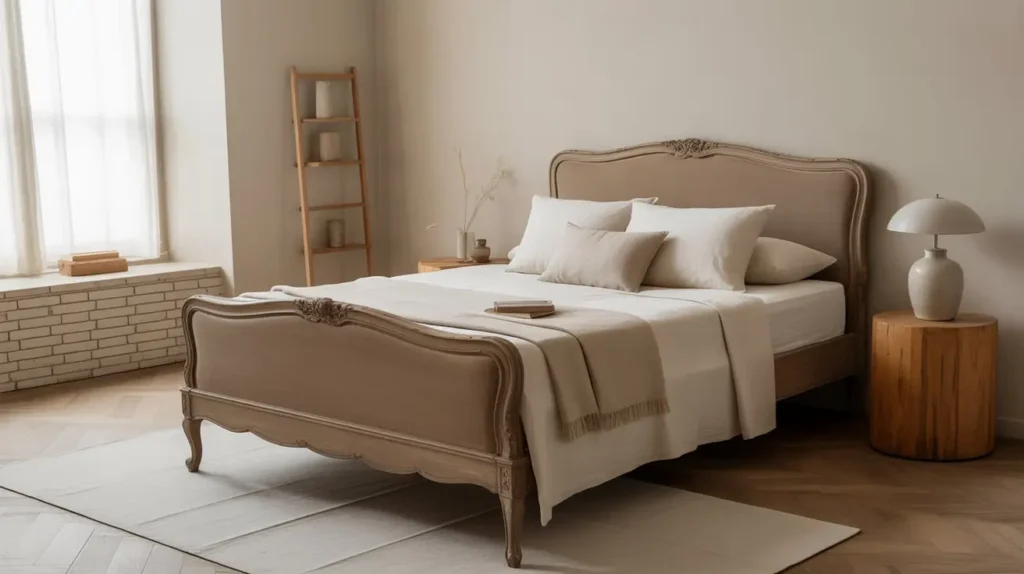
Think minimalism only works with modern furniture? Not even close. Vintage pieces add soul and character to minimalist spaces without compromising the aesthetic.
Blending Old and New
The key to vintage minimalism is selective curation. You’re not filling the room with antiques—you’re choosing one or two standout vintage pieces that contrast beautifully with clean, modern elements:
- A vintage brass bed frame against crisp white walls
- Antique wooden nightstands paired with modern lamps
- A weathered mirror as a statement piece
- Vintage textiles like handwoven throws or quilts
- Mid-century modern chairs that blend both worlds
Why Vintage Works
Vintage items add warmth, history, and uniqueness that new furniture often lacks. They prevent minimalist rooms from feeling generic or catalog-perfect. Plus, buying vintage is sustainable—you’re giving quality pieces a second life rather than contributing to fast-furniture waste.
My bedroom features a 1960s teak dresser alongside modern everything else. It’s the piece visitors always compliment first. That contrast between old and new creates visual interest without adding clutter.
Wrapping It Up
Creating a cozy minimalist bedroom isn’t about following rigid rules or stripping your space down to nothing. It’s about intentional choices—selecting pieces you genuinely love, prioritizing quality over quantity, and designing a space that supports rest and relaxation.
Whether you lean toward Scandinavian warmth, Zen tranquility, or a vintage-modern blend, the principles remain consistent. Choose less, choose better, and let your space breathe.
Start with one idea from this list that resonates with you. Maybe it’s adding texture to your current setup, or perhaps it’s finally investing in hidden storage that clears the visual clutter. You don’t need to overhaul everything overnight.
The best minimalist bedrooms evolve over time as you edit, refine, and discover what truly serves you. Trust the process, be patient with yourself, and remember—the goal isn’t perfection. The goal is a bedroom you actually want to spend time in.
Now go reclaim your space. Your future well-rested self will thank you.