

So, you’re standing in the middle of a room. A big, wide, slightly intimidating room. Maybe you just knocked down a wall, filled with renovation-fueled optimism. Or perhaps you moved into a new place where the builder decided walls were just a suggestion. Now you’re left with a vast expanse that’s supposed to be a “living and dining room,” but currently just feels like a furniture identity crisis.
I’ve been there. My first apartment had an L-shaped open concept that I, in my infinite wisdom, tried to furnish with a single, sad, floating sofa. It looked less like intentional design and more like the furniture was social distancing. It took a lot of trial, error, and frankly, some questionable Pinterest-inspired choices before I figured it out.
The truth is, an open concept layout is a brilliant canvas. It’s airy, it’s great for entertaining, and it can make even a small space feel huge. But you need a plan. A vague notion of “I’ll just put the couch here and the table… over there?” is a recipe for a chaotic, uninviting mess. Don’t worry, I’m here to be your guide, your friend, your fellow design enthusiast who will help you wrangle that space into submission. Let’s explore 15 different ways to make your open concept living and dining room not just work, but look absolutely stunning.
1. Cozy Modern Open Concept Living and Dining Room
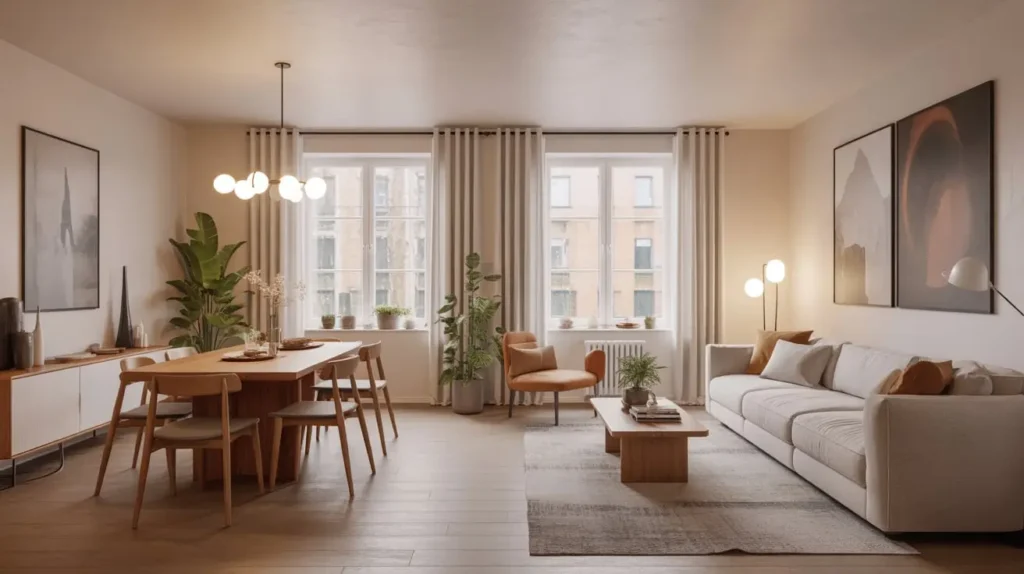
Let’s kick things off with a classic. The term “modern” can sometimes sound cold, right? You picture sterile white rooms, sharp angles, and furniture that looks like it would be deeply uncomfortable to actually sit on. But when you pair it with “cozy,” something magical happens. You get the best of both worlds: clean lines and a space that actually hugs you back.
This style is for people who appreciate simplicity but crave comfort. You want your space to feel uncluttered and chic, but you also want to curl up with a book and a blanket without feeling like you’re in a museum exhibit.
Getting the Cozy-Modern Vibe Right
The secret here is all about balancing hard and soft elements. You need the structure of modern design softened by the warmth of cozy touches. It’s a delicate dance, but once you get the steps, it’s beautiful.
Here’s how you pull it off:
- Warm Wood Tones: Forget cold, gray-toned woods. Think rich walnuts, warm oaks, or even teak. Use these for your dining table, a media console, or the legs of your sofa. This instantly injects warmth and a natural element that grounds the modern aesthetic.
- Plush, Textured Textiles: This is your secret weapon. A deep, plush area rug under the living room seating is non-negotiable. Add chunky knit throws, velvet pillows, and soft linen curtains. These textures beg to be touched and immediately dial up the cozy factor.
- Clean-Lined Furniture: Your main furniture pieces—sofa, chairs, dining table—should have simple, strong silhouettes. No overly ornate details. A sofa with straight arms and a low back or a dining table with sleek, tapered legs fits perfectly. The comfort comes from the upholstery, not the shape.
- Layered Lighting: One overhead light is a cozy-modern-killer. You need layers. A stylish pendant over the dining table, a cool floor lamp next to the sofa, and a few table lamps on sideboards create pools of warm light. Always use warm-toned bulbs (around 2700K). It makes a world of difference.
My personal take? Don’t be afraid to go big with your rug. A tiny rug floating in the middle of the living area looks cheap and disjointed. A large rug that most of your furniture can sit on clearly defines the living “zone” and feels way more luxurious.
2. Minimalist Open Layout with Smart Storage Solutions
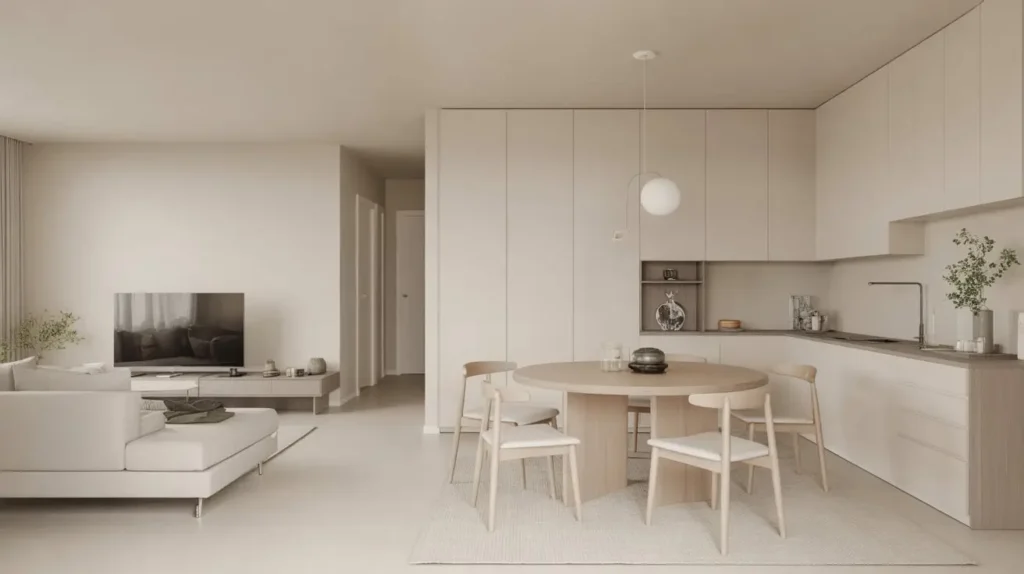
Ah, minimalism. The dream of a clutter-free life where every object has a purpose and your surfaces are blissfully empty. The reality? We all have stuff. Mail, keys, half-finished projects, the dog’s 17th favorite toy. So how do you achieve that serene, minimalist look in an open concept without becoming a monk?
The answer is deceptively simple: brilliant storage. This style isn’t about having less; it’s about appearing to have less. It’s the interior design equivalent of a magic trick, and I am all for it.
Becoming a Minimalist Magician
This approach is perfect for people who are naturally organized (or aspire to be). It requires discipline, but the payoff is a space that feels calm, spacious, and incredibly intentional.
Your new mantra is “a place for everything, and everything in its place.”
- Full-Wall Built-Ins: If you can swing it, a floor-to-ceiling media unit or shelving system is the ultimate solution. Opt for a design with a mix of open shelves (for a few curated objects) and plenty of closed cabinets. When the doors are shut, the clutter vanishes. Poof!
- Multi-Functional Furniture: Your furniture needs to work harder. Look for an ottoman with hidden storage for blankets, a coffee table with drawers for remotes and coasters, or a dining bench that opens up to store placemats and extra linens.
- A Strictly Monochromatic Palette: A key to minimalist design is a limited color palette. Think shades of white, gray, beige, and black. This creates a visually quiet backdrop where the absence of stuff becomes the main feature. You can add a single accent color in small doses if you must.
- Integrated Appliances and Hardware: In the dining or kitchen-adjacent area, go for handle-less cabinets (push-to-open is your friend) and integrated appliances that sit flush with your cabinetry. The fewer visual interruptions, the more seamless and minimalist the space will feel.
Let’s be real, true minimalism is tough. But “minimal-ish” is totally achievable. The goal is to hide 90% of your daily chaos behind beautiful, clean-faced cabinets. No one needs to know your secret shame.
3. Small Space Open Concept Living and Dining Hacks

Living in a small space with an open concept can feel like a contradiction. It’s “open,” but you’re constantly bumping into the dining chair when you walk around the sofa. This is where you have to get clever. You’re not just decorating; you’re performing spatial Tetris.
I lived in a 600-square-foot studio for two years, and it taught me more about design than any magazine. You learn to appreciate every square inch. These hacks are born from that very real, very cramped experience.
Maximizing Every Inch
Forget what you think you know about “small space” furniture (i.e., tiny, doll-sized pieces). Sometimes, that just makes a room look cluttered. The key is using appropriately scaled items and a few visual tricks.
- Go Vertical: When you can’t build out, build up. Use tall, narrow bookshelves or floating shelves that draw the eye upward, creating the illusion of height. A tall floor lamp or a hanging plant can do the same.
- The Magic of Mirrors: This is the oldest trick in the book for a reason: it works. A large mirror placed opposite a window will bounce light around the room, making it feel brighter and more expansive. You can also use a large mirror to reflect the living area, creating a sense of depth.
- Leggy Furniture is Your Best Friend: Sofas, chairs, and consoles that are raised on slender legs allow you to see more of the floor. This continuous flooring creates an unbroken sightline, tricking the eye into thinking the space is larger than it is.
- Round Dining Tables: In a tight corner, a round or oval dining table is a game-changer. It has no sharp corners to bump into, and it generally seats more people in a smaller footprint. Plus, it just feels more communal and cozy.
- Define with Rugs, Not Walls: Use a distinct rug for the living area and perhaps a different (or no) rug for the dining area. This creates psychological “rooms” without putting up a single physical barrier.
The biggest mistake I see people make in small spaces? Pushing all the furniture against the walls. Pull your sofa out even just a few inches. It lets the space breathe and, counterintuitively, often makes it feel larger.
4. Rustic Chic Open Concept Design Inspiration

Ready to embrace your inner lumberjack, but, you know, make it fashion? Rustic chic is all about bringing the outdoors in. It’s warm, it’s textured, and it has a story to tell. It’s less about perfectly polished surfaces and more about character and authenticity.
This style is for the person who loves the idea of a cabin in the woods but needs it to be functional for modern life. It’s the perfect blend of ruggedness and sophistication.
Crafting the Rustic Chic Look
You’re aiming for a space that feels like it has been lovingly curated over time, even if you bought everything last week.
- Reclaimed Wood: This is the heart and soul of the rustic look. A dining table made from reclaimed barn wood or a mantelpiece from an old beam adds instant history and character. The dings, knots, and imperfections are the whole point.
- Natural Materials Galore: Think beyond wood. Incorporate stone, leather, jute, and wool. A stone accent wall behind a media center, a well-worn leather armchair, a jute rug, and a cozy wool throw are all key players.
- A Neutral, Earthy Palette: Your color scheme should be pulled from nature. Think shades of brown, beige, cream, olive green, and slate gray. These colors are calming and provide the perfect backdrop for your textured materials to shine.
- Industrial-Meets-Farmhouse Accents: Mix in some metal. Black iron light fixtures, brushed bronze hardware, or a coffee table with a metal frame adds a touch of industrial edge that keeps the look from feeling too much like a Cracker Barrel. Sorry, had to say it.
A word of warning: it’s easy to go overboard and end up in full-on log cabin territory. The “chic” part is crucial. Balance the rough, rustic elements with a few clean-lined, modern pieces to keep it feeling fresh and intentional.
Read Also 15 Stunning Bohemian Living Room Ideas to Inspire Your Space
5. Budget-Friendly Open Concept Makeover Ideas
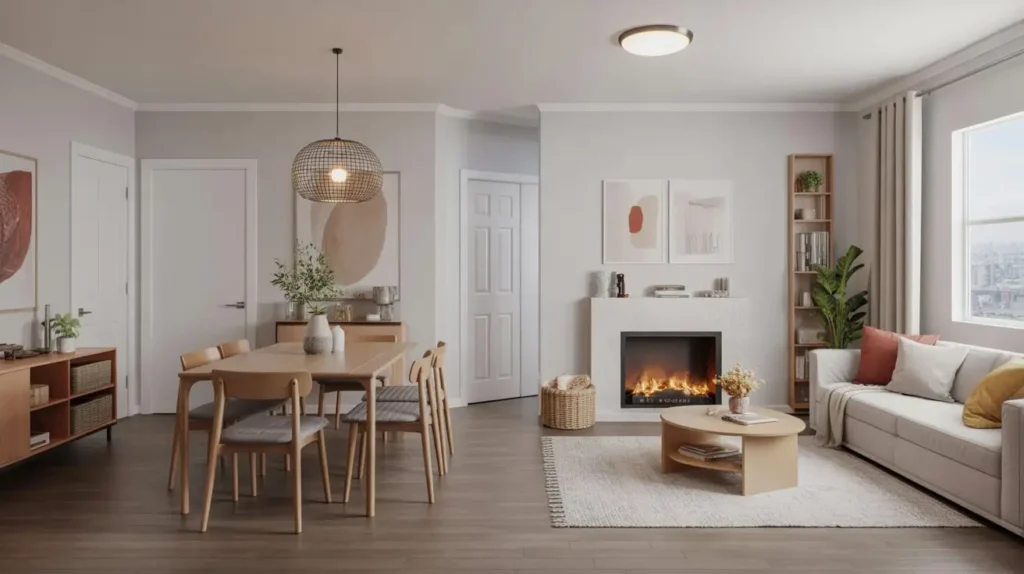
You’ve got the open concept space, but your bank account is giving you the side-eye. I get it. Furnishing a large, open room sounds expensive. But it doesn’t have to be. With a little creativity and some strategic shopping, you can create a beautiful and cohesive space without selling a kidney.
This is for the resourceful decorator, the DIY enthusiast, and anyone who loves a good bargain. Let’s talk about getting that champagne look on a, well, tap water budget.
Smart Spending for a Stylish Space
Your biggest assets here are paint, secondhand finds, and a little bit of elbow grease.
- The Power of Paint: Never underestimate what a few coats of paint can do. You can create a feature wall to anchor the living or dining area, which adds drama and definition for less than $50. Or, unify mismatched secondhand furniture by painting it all the same color.
- Thrift and Upcycle: Facebook Marketplace, thrift stores, and flea markets are your best friends. Look for pieces with “good bones”—solid wood construction and a classic shape. You can easily sand and repaint a dining table or reupholster dining chairs with a staple gun and some new fabric. It’s easier than you think!
- DIY Art and Decor: Don’t shell out hundreds for art. You can create large-scale abstract art with a blank canvas and a few sample pots of paint. Frame beautiful textiles, press leaves in simple frames, or create a gallery wall of your own photos.
- Strategic Splurging: The rule is to save on the case goods (tables, consoles) and splurge on the seating (sofa, chairs). You can find a cheap, functional media console, but a lumpy, uncomfortable sofa will make you miserable every single day. Invest in a good quality sofa, even if it means saving elsewhere.
- Rugs from Online Retailers: You can find surprisingly stylish and affordable large area rugs from online retailers. They are essential for defining your zones, so don’t skip them to save money. Just shop smart.
My favorite budget hack? Use IKEA’s BESTA system. It’s a modular storage system that you can configure to look like expensive, custom built-ins for a fraction of the price. There are even companies that sell custom fronts to make them look super high-end.
6. Elegant Neutral Open Concept Living and Dining
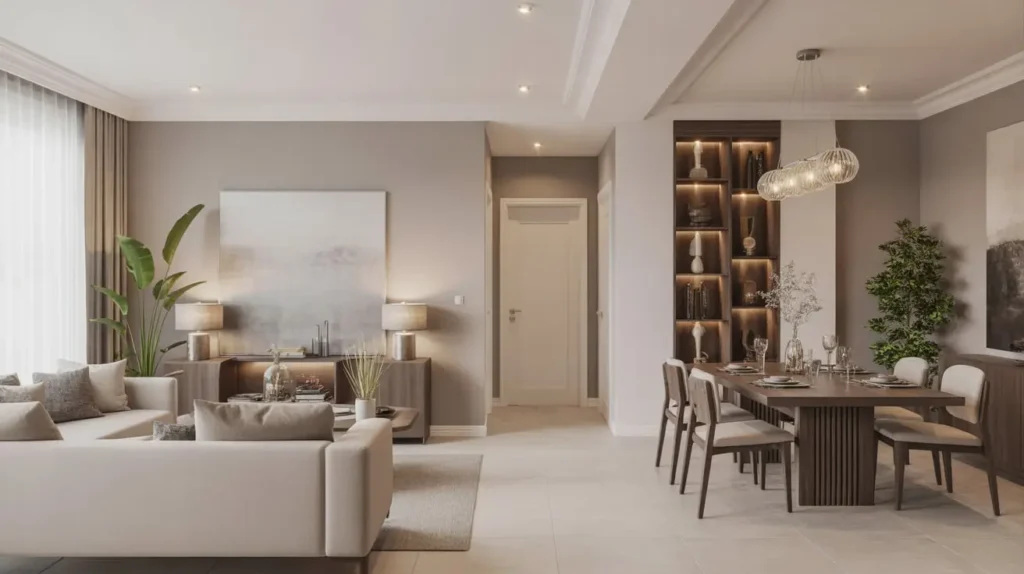
If your heart sings for serene, sophisticated spaces, then an elegant neutral palette is for you. This isn’t about being boring or playing it safe. It’s about the subtle art of layering shades, textures, and finishes to create a room that is calm, classic, and incredibly chic.
This look is timeless. It won’t feel dated in five years, and it provides a perfect, calming backdrop for your life. It’s the little black dress of interior design.
Mastering the Art of Neutrality
The key to a successful neutral room is to avoid it feeling flat. You need depth, and that comes from variety.
- A Spectrum of Neutrals: Your palette isn’t just “beige.” It’s a rich mix of ivory, cream, taupe, mushroom, greige, and soft gray. Use different shades on the walls, furniture, and textiles to create a layered, tonal effect.
- Texture is Everything: When you have a quiet color palette, texture does the heavy lifting. Mix a linen sofa with velvet pillows, a nubby wool rug, a smooth marble coffee table, and sheer curtains. The interplay of these different surfaces creates visual interest and a sense of luxury.
- Incorporate Metallic Finishes: A touch of metal adds a necessary bit of sparkle and keeps the room from feeling dull. Polished nickel, soft brass, or champagne bronze work beautifully. Use them for light fixtures, curtain rods, mirror frames, or the base of a table.
- Focus on Form and Silhouette: With a simple color scheme, the shape of your furniture becomes paramount. Look for pieces with elegant curves, interesting leg details, or a commanding presence. A sculptural floor lamp or a beautifully curved sofa can act as a piece of art in the room.
IMO, the easiest way to mess this up is by using the exact same shade of beige for everything. The room will look like a sad, undefined blob. The magic is in the subtle variations.
7. Boho Open Concept with Layered Textures
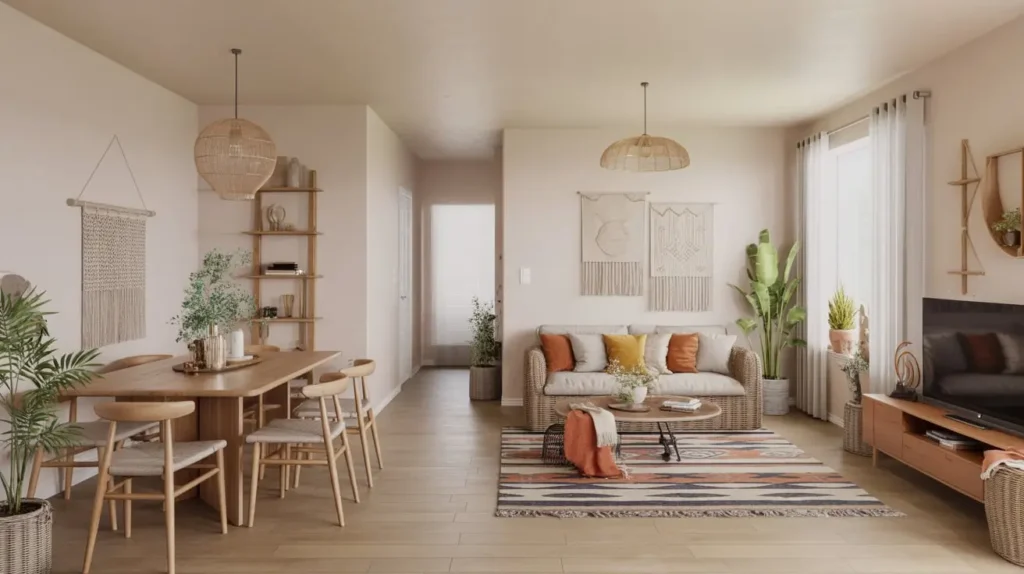
For the free-spirited, the well-traveled, and those who believe “more is more,” the boho (bohemian) style is a perfect fit for an open concept. This look is all about personal expression, collected treasures, and a relaxed, lived-in vibe. There are no strict rules, only a general feeling of warmth, creativity, and comfort.
This style is perfect for hiding imperfections and creating a space that feels uniquely you. It’s less about a curated showroom and more about a life well-lived.
Unleashing Your Inner Bohemian
Get ready to layer, layer, and then layer some more.
- A Foundation of Natural Textures: This is the bedrock of boho design. Start with a large jute or sisal rug, then layer a smaller, more colorful vintage or Moroccan rug on top of it in the living area. This instantly defines the space and adds a huge dose of texture.
- Plants, Plants, and More Plants: A bohemian space is not complete without an abundance of greenery. Hanging plants, large floor plants like a Fiddle Leaf Fig, and small succulents on shelves bring life, color, and an organic feel to the room. They are living sculptures.
- A Mix of Furniture Styles: Don’t buy a matching furniture set! The boho look is all about the mix. Pair a modern, comfy sofa with a couple of vintage rattan or wicker chairs. Use mismatched wooden chairs around the dining table. It should look like you’ve collected pieces over time (even if you haven’t).
- Global-Inspired Textiles and Patterns: This is where you bring in the color and personality. Look for mudcloth pillows, kilim cushions, and macrame wall hangings. Don’t be afraid to mix patterns. As long as you stick to a somewhat cohesive color family, it will work.
- Warm, Ambient Lighting: Ditch the harsh overheads. Use string lights, paper lanterns, and floor lamps with rattan or fabric shades to create a soft, inviting glow.
The beauty of boho is that it’s forgiving. A little bit of clutter just adds to the charm. It’s a style that evolves with you, so you can keep adding new treasures as you find them.
8. Contemporary Open Concept with Statement Lighting
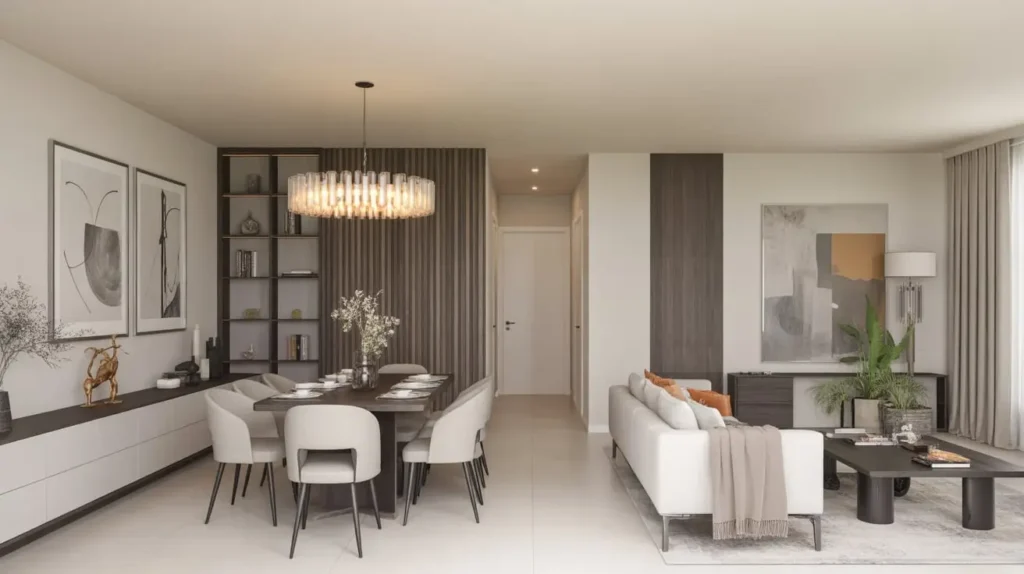
Let’s clarify something first: “contemporary” and “modern” are not the same thing. Modern refers to a specific design era (roughly early to mid-20th century). Contemporary, on the other hand, is about what’s happening right now. It’s more fluid, often incorporates curved lines, and is all about making a bold statement.
In an open concept, one of the best ways to do this is with statement lighting. It’s the jewelry of the room—the piece that draws the eye and sets the tone.
Making a Bold Statement
This style is for the trendsetter who loves clean, uncluttered spaces but wants a “wow” factor. It’s sophisticated, daring, and anything but boring.
- The Hero Light Fixture: Your primary goal is to find one or two absolutely killer light fixtures. Over the dining table, consider a large, sculptural chandelier or a cluster of artistic pendants. In the living area, a dramatic arc floor lamp that sweeps over the sofa can serve the same purpose.
- A Sleek, Neutral Backdrop: To let your statement lighting (and other key pieces) shine, the rest of the room should be relatively understated. Think a palette of crisp white, charcoal gray, and black.
- Furniture with Clean Lines and Curves: Contemporary furniture often blends the straight lines of modernism with soft, organic curves. A sofa with a gently curved back, round side tables, or a dining table with a sculptural pedestal base all fit the bill.
- High-Contrast Elements: Contemporary design loves contrast. Pair a black dining table with white chairs. Place a dark gray sofa on a light-colored rug. Use pops of a single, bold color (like cobalt blue or saffron yellow) against your neutral background.
Ever wondered why this works so well? A dramatic light fixture acts as a focal point and an anchor. In a large, open room, it visually lowers the ceiling over a specific zone (like the dining table), creating a sense of intimacy and purpose for that area.
9. Family-Friendly Open Layout with Functional Zones
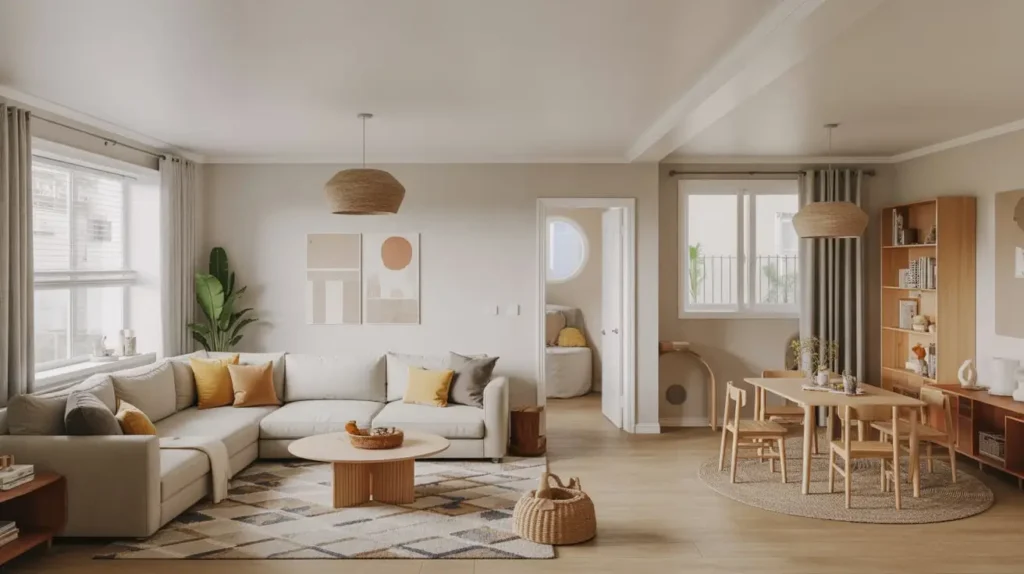
An open concept is fantastic for keeping an eye on the kids. The downside? Their toys, crafts, and general chaos can quickly take over the entire floor. A family-friendly open layout isn’t about pristine, untouchable decor; it’s about creating a durable, functional, and still-stylish space that works for everyone.
This is for anyone whose living room floor is currently a minefield of LEGOs. I see you. The goal is to create designated zones for adult relaxation, family meals, and kid-friendly play.
Creating Harmony (and Hiding Toys)
You need smart zoning and even smarter material choices.
- Performance Fabrics are Non-Negotiable: Invest in a sofa upholstered in a performance fabric (like Crypton or Sunbrella). These fabrics are engineered to resist stains, spills, and general wear and tear from kids and pets. They’ve saved my own couch from disaster more times than I can count.
- The “Play Zone” Rug: Use a durable, low-pile, and possibly patterned rug in the area designated for play. A pattern is great at hiding small stains and crumbs. A soft but sturdy rug defines their space and gives them a comfortable spot to play on the floor.
- Closed Storage is Your Savior: Baskets are great, but for a truly tidy look, you need storage with doors. A long, low credenza or sideboard along a wall can house bins of toys, board games, and art supplies. When it’s time for adults to reclaim the space, just shut the doors.
- A “Hardworking” Dining Table: Choose a dining table that can double as a homework station and a craft table. A solid wood or durable laminate top is better than a delicate veneer. A bench on one side is also great for cramming lots of little bodies in.
- Visual Dividers: Use a tall, open-backed bookshelf (like the IKEA KALLAX) as a low-key room divider. It can separate the play area from the main living space while still allowing you to see through and providing a ton of storage for books and bins.
The key is to embrace the reality of family life, not fight it. By designing for it, you’ll end up with a space that’s less stressful and more enjoyable for everyone. 🙂
Read Also 15 Stunning Modern Living Room and Dining Room Combo Ideas to Try
10. Scandinavian Style Open Concept Transformation
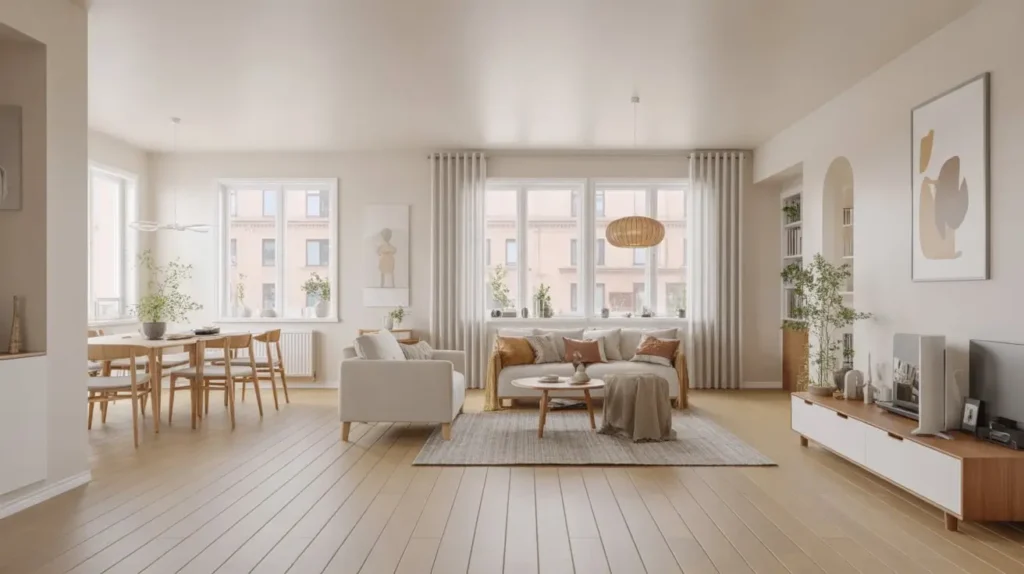
If you’re looking for a style that is bright, airy, and effortlessly cool, look no further than Scandinavian (or Scandi) design. Born from long, dark winters, this style prioritizes light, functionality, and a connection to nature. It’s a minimalist’s dream but with a much warmer, more human touch.
In an open concept, the Scandi principles of simplicity and light maximization can make the entire space feel bigger, brighter, and incredibly serene.
Achieving “Hygge” and Harmony
The Danish concept of hygge (a feeling of cozy contentment) is central to this style. It’s about creating a warm, happy home.
- A Light and Bright Color Palette: The foundation is almost always white or very light gray walls. This maximizes natural light, a precious commodity in Nordic countries. The floor is typically a light-toned wood, like ash or pine.
- Simple, Functional Furniture: Scandi furniture is famous for its beautiful craftsmanship, clean lines, and functionality. Think of iconic designs with tapered legs, natural wood finishes, and no unnecessary ornamentation. The pieces are beautiful but never fussy.
- A Mix of Natural Textures: To keep the white-and-wood palette from feeling stark, layer in cozy textures. Sheepskin throws, wool blankets, linen cushions, and leather accents add warmth and tactile comfort.
- Pops of Black and Muted Color: A key element of modern Scandi design is the use of black as an accent to ground the space. Use it in picture frames, light fixtures, or the legs of a chair. You can also introduce muted colors like dusty pink, sage green, or soft blue through textiles and art.
- Declutter and Curate: Scandi style is not about having a lot of stuff. It’s about having a few, well-loved, beautiful things. Keep surfaces clear and choose decor with intention.
FYI, a great Scandi-inspired open concept feels both clean and lived-in. It’s the perfect balance of form and function.
11. Colorful Open Concept Ideas for Vibrant Spaces
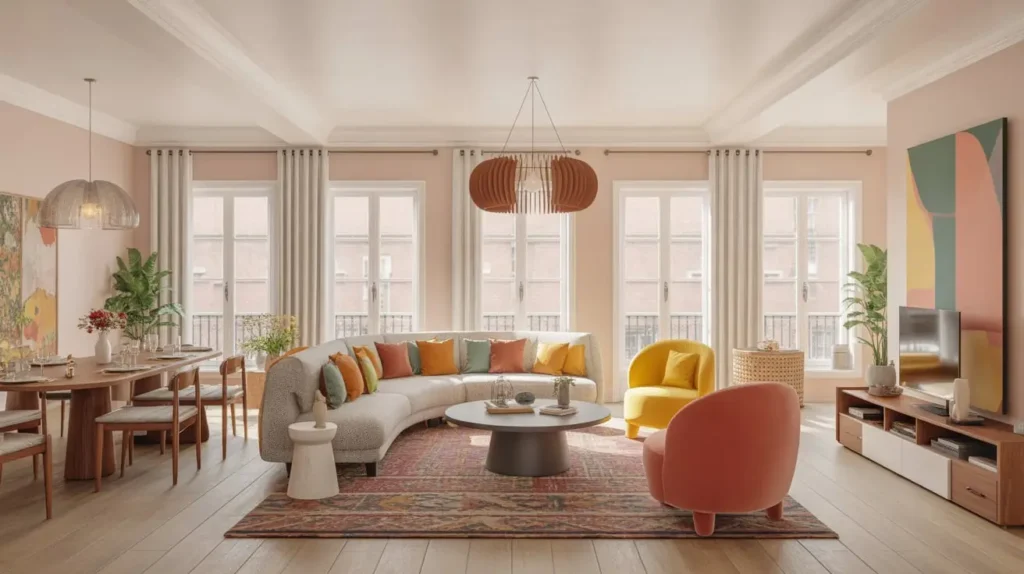
Are you a color lover trapped in a sea of gray and beige? Do neutral palettes make you feel, well, neutral? Then it’s time to break the rules and embrace color in your open concept. A colorful space is joyful, energetic, and full of personality.
The trick in an open concept is to use color strategically to define zones and create a cohesive flow, rather than a chaotic mess that looks like a paint factory exploded.
Painting a Cohesive, Colorful Picture
You need a plan. Don’t just start throwing random colors at the wall.
- Choose a Unifying Color Palette: Pick three to five colors that you love and that work well together. A good strategy is the 60-30-10 rule. Use your dominant color (60%) for the walls, a secondary color (30%) for furniture, and an accent color (10%) for small decor items and textiles.
- The “Color Drench” Feature Wall: A fantastic way to define the dining area is to “drench” it in color. This means painting the walls, trim, and even the ceiling in that area one single, bold color. It creates a dramatic, room-within-a-room effect.
- Use a Colorful Sofa as an Anchor: A boldly colored sofa (like a rich emerald green, a deep navy, or a sunny mustard yellow) can be the perfect anchor for your living room zone. Build the rest of the room’s color scheme around it.
- Art and Rugs as Your Guide: If you’re nervous about committing to colored walls or furniture, start with a large, colorful piece of art or a vibrant rug. Pull your accent colors from that piece to ensure everything feels connected.
- Repeat Colors Throughout the Space: To create flow between the living and dining areas, make sure to repeat your chosen colors in both zones. If you have blue chairs in the dining room, add a few blue pillows to the sofa. This repetition ties the entire open concept together.
A colorful open concept is a celebration of personal style. Have fun with it! It’s your space, after all.
12. Luxury Open Concept Living and Dining Designs
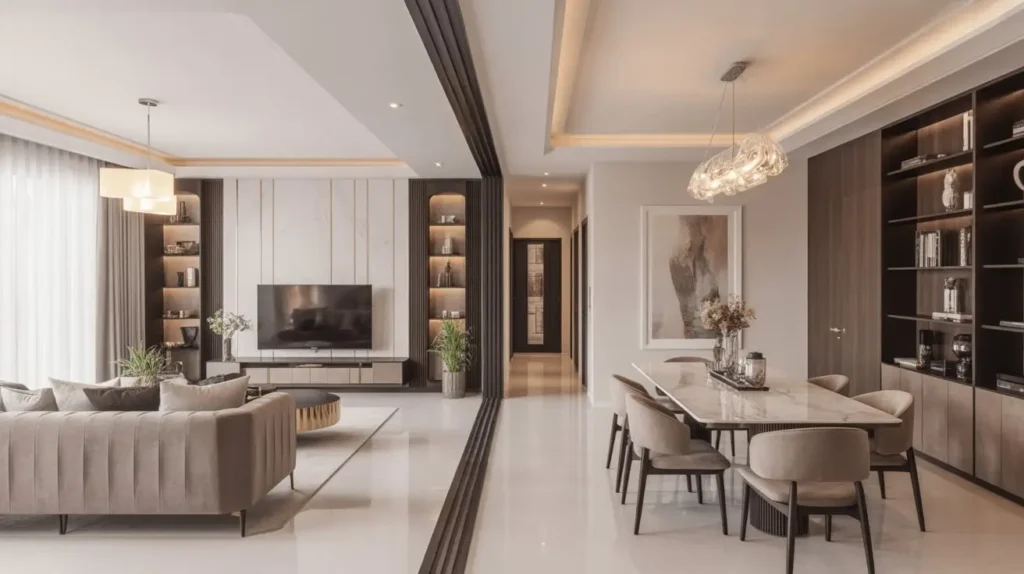
If your design motto is “go big or go home,” and you have the budget to match, a luxury open concept is all about opulence, premium materials, and impeccable craftsmanship. This isn’t about being gaudy; it’s about creating a space that feels incredibly refined, comfortable, and impressive.
This style is about indulging in high-quality pieces and creating a five-star hotel experience in your own home.
Curating a High-End Haven
Every single detail matters here. From the finish on the cabinet pulls to the weight of the curtains.
- Premium Materials are Key: This is where you invest. Think marble or quartzite countertops and backsplashes, real hardwood floors laid in a herringbone pattern, and custom cabinetry with a flawless finish.
- Designer and Custom Furniture: Instead of off-the-shelf items, this look often features iconic designer pieces or custom-made furniture tailored to the exact dimensions of the space. The sofa might be upholstered in a high-end velvet or bouclé, and the dining table could be a sculptural masterpiece.
- A Sophisticated, Layered Lighting Scheme: Luxury design uses lighting as a sculptural element. You’ll see a dramatic chandelier over the dining table, integrated LED lighting in shelving, art lights to highlight specific pieces, and beautiful table lamps from high-end brands. Everything is dimmable to create the perfect mood.
- Rich Textures and Finishes: The feeling of luxury comes from the tactile experience. Silk or wool rugs, floor-to-ceiling drapery in a heavy fabric like velvet, and high-end hardware in finishes like unlacquered brass all contribute to the opulent feel.
- Scale and Proportion: Luxury design often plays with grand scale. An oversized piece of art, a very large sectional sofa, or an extra-long dining table can make a powerful statement in a large open concept.
Is it a bit extra? Maybe. Is it absolutely breathtaking when done right? Absolutely.
13. Compact Open Concept with Multi-Purpose Furniture
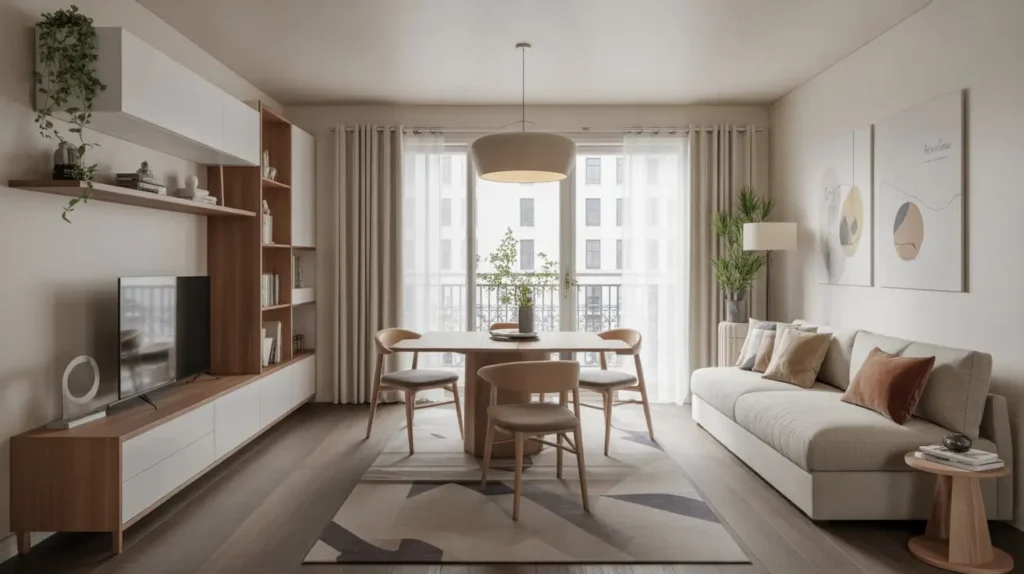
This is the cousin of the “Small Space Hacks” idea, but with a laser focus on one thing: furniture that does more than one job. In a truly compact open concept, every piece needs to earn its keep. This is about being ruthlessly efficient with your choices.
If your living/dining “room” is really just one room, this is your survival guide. It’s about making a small footprint live large.
The Art of the Double-Duty Design
Think of your furniture like a team of superheroes, each with a secret power.
- The Drop-Leaf or Extendable Dining Table: This is the MVP. You can have a small console-style table against a wall for daily use, then pull it out and extend it to seat six or eight guests when needed.
- The Coffee Table That Becomes a Desk: Look for a “lift-top” coffee table. The top raises and moves forward to become a comfortable height for working on a laptop or even eating a meal while sitting on the sofa.
- Storage Ottomans and Benches: We mentioned these before, but in a compact space, they are absolutely essential. An ottoman can be a footrest, extra seating, a coffee table (with a tray on top), and a storage unit all in one.
- A “Daybed” Style Sofa: A sleek daybed can function as a sofa but also provides a spot for an overnight guest without needing a bulky, dedicated guest room.
- Nesting Side Tables: Instead of one large side table, use a set of two or three nesting tables. You can keep them tucked together for daily use and pull them out for more surface area when you have company.
This approach requires you to think less about “living room furniture” and “dining room furniture” and more about “furniture for my space.” The lines will be blurred, and that’s the whole point.
14. Transitional Open Concept Blending Classic and Modern
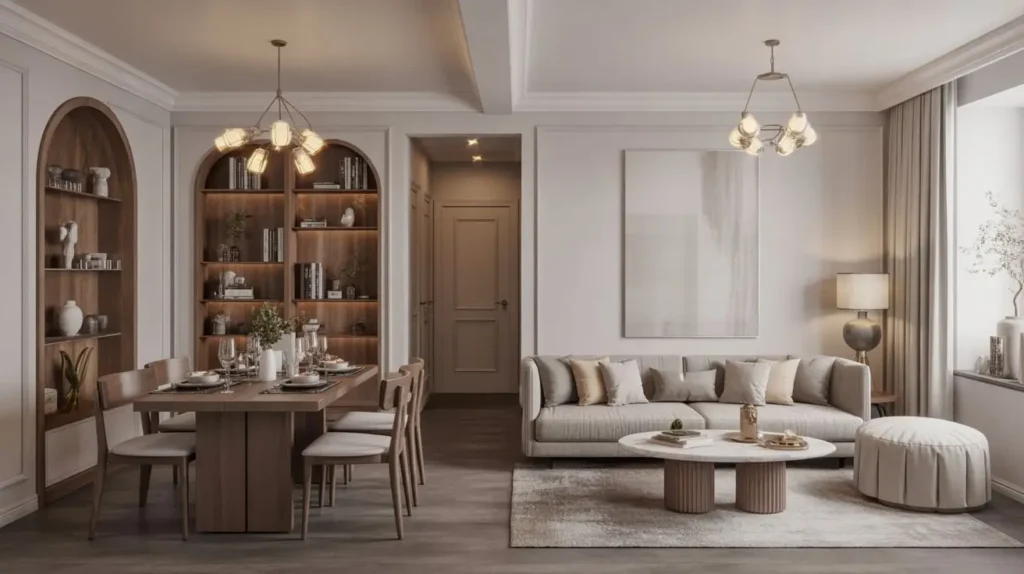
Can’t decide between the timeless appeal of traditional design and the clean, crisp feel of modernism? Why choose? Transitional design is the beautiful middle ground. It blends the best of both worlds to create a space that is both elegant and comfortable, classic yet current.
This is the ultimate crowd-pleaser style. It feels sophisticated without being stuffy and comfortable without being sloppy. It’s a perfect, harmonious balance.
Finding the Perfect Blend
The key to transitional style is the mix. You’re curating a conversation between old and new.
- A Neutral, Relaxing Palette: Transitional spaces typically rely on a calm, neutral color palette similar to the “Elegant Neutral” style. Shades of gray, beige, and white create a clean canvas that allows both the classic and modern elements to coexist peacefully.
- Classic Silhouettes, Modern Fabrics: Take a traditionally shaped piece of furniture, like a wingback chair or a Chesterfield sofa, and upholster it in a simple, modern fabric like a solid linen or a subtle geometric print.
- Modern Lines, Classic Materials: Conversely, you can take a piece with clean, modern lines—like a simple rectangular dining table—and have it crafted from a classic, rich material like dark mahogany.
- Keep Accessories to a Minimum: While traditional design can be heavy on accessories, the transitional approach is more curated. A few well-chosen pieces, like simple glass vases, a modern sculpture, and clean-lined lamps, are all you need.
- The 80/20 Rule: A good way to approach this is to aim for a mix of roughly 80% one style and 20% the other. For example, a mostly modern room with a few key traditional elements (like an ornate mirror or classic-style dining chairs) will feel balanced and intentional.
Transitional design proves that opposites really do attract. The result is a layered, interesting space that feels uniquely personal.
15. Warm and Inviting Open Concept for Entertaining
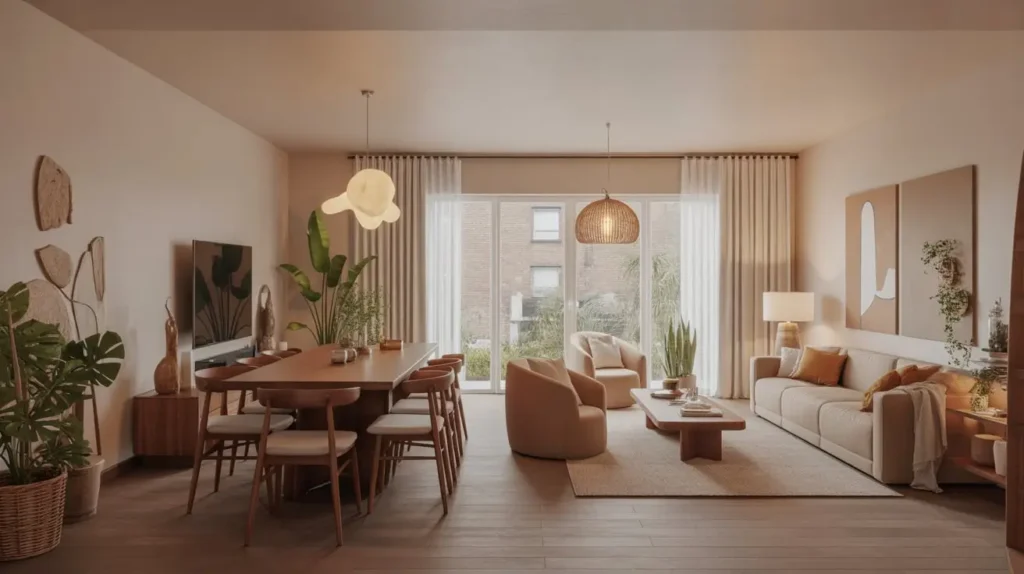
Finally, let’s talk about the entertainer’s dream. If your home is the go-to spot for dinner parties, game nights, and holiday gatherings, you need an open concept that is designed for a crowd. This is all about flow, comfortable seating, and creating a welcoming atmosphere where guests feel right at home.
The goal is to create a space that encourages mingling and conversation, where the party can effortlessly move from the living area to the dining area and back again.
Designing the Ultimate Party Pad
Functionality is just as important as aesthetics here.
- Create Clear Traffic Paths: The most important rule for an entertainer’s space. Make sure there are wide, clear pathways for people to walk between the kitchen, dining area, and living area without bumping into furniture or each other.
- Flexible Seating is a Must: Don’t just rely on your sofa. Incorporate multiple seating options: a couple of comfortable armchairs, a storage bench, sturdy ottomans that can be used as seats, and maybe a few stylish floor pillows for a more casual vibe.
- A Large, Central Dining Table: Your dining table is the heart of the party. If you have the space, opt for a large table that can seat at least 8-10. An extendable table is a great option if you don’t need that much seating on a daily basis.
- Designate a “Bar” or “Buffet” Area: Set aside a sideboard, a console table, or even just a dedicated bar cart as the spot for drinks and food. This keeps the dining table clear and creates a natural gathering spot away from the main cooking area.
- Conversation-Friendly Layout: Arrange your living room furniture in a way that encourages conversation. A U-shape or H-shape layout, where seating pieces face each other, is much better for talking than a layout where everything is facing the TV.
Ultimately, an inviting space for entertaining is one that is comfortable, relaxed, and doesn’t feel too precious. You want your guests to feel like they can put their feet up and stay a while.
So, What’s the Verdict?
Phew, that was a lot. But hopefully, you’re no longer staring at your big, empty room with a sense of dread. Instead, I hope you see it for what it is: a world of possibilities. An open concept living and dining room isn’t a problem to be solved; it’s an opportunity to create a space that perfectly reflects your style, your needs, and your life.
Whether you’re a minimalist with a secret love for storage, a boho spirit who collects plants like they’re Pokémon, or a busy parent just trying to keep the LEGOs contained, there’s a perfect layout for you.
So, pick your favorite, steal a few ideas from another, and start planning. The most beautiful homes are the ones that are deeply personal. Now go make that space your own. And please, for the love of all things design, don’t just stick a sad, lonely sofa in the middle of the room. You’re better than that