

So you’ve been staring at your living room and dining area, wondering how on earth you can make these spaces feel connected, functional, and absolutely stunning without hiring a team of designers who charge more than your monthly rent? Yeah, I’ve been there. About three years ago, I knocked down a wall between my kitchen and living room, and honestly, it changed everything about how I live, entertain, and even breathe in my own home.
Open concept living isn’t just a trendy buzzword that real estate agents throw around to make cramped apartments sound appealing. When done right, open floor plans transform the entire energy of your home. They create flow, maximize natural light, and bring people together in ways that closed-off rooms simply can’t match.
In this article, I’m sharing 15 elegant open concept living and dining room transformations that will seriously inspire your next home project. Whether you’re working with a shoebox-sized apartment or a sprawling loft, there’s something here for everyone. Let’s get into it.
1. Modern Minimalist Open Concept Layouts
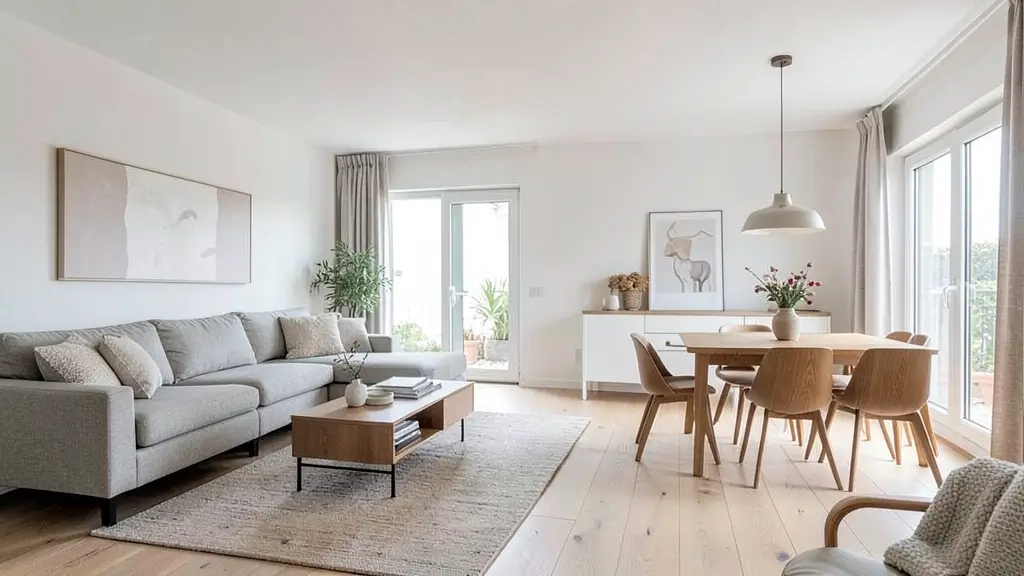
There’s something incredibly freeing about minimalist design in an open concept space. I remember walking into a friend’s apartment last year and feeling like I could finally breathe—no clutter, no visual noise, just clean lines and intentional pieces.
Modern minimalist open concept layouts focus on the “less is more” philosophy. You’re not filling every corner with furniture or decorations. Instead, you’re curating pieces that serve both function and aesthetic purpose.
Key Elements of Minimalist Open Concepts
Here’s what makes this style work so beautifully:
- Neutral color palettes dominate the space—think whites, grays, and soft beiges
- Furniture with clean lines and simple silhouettes
- Hidden storage solutions to eliminate visual clutter
- Strategic negative space that lets the room breathe
- Quality over quantity in every single piece you choose
The magic of minimalism in an open floor plan lies in the seamless visual flow. When your living and dining areas share the same restrained aesthetic, the entire space feels larger and more cohesive. Plus, cleaning becomes ridiculously easier—and who doesn’t love that?
2. Cozy Open-Plan Living and Dining Ideas
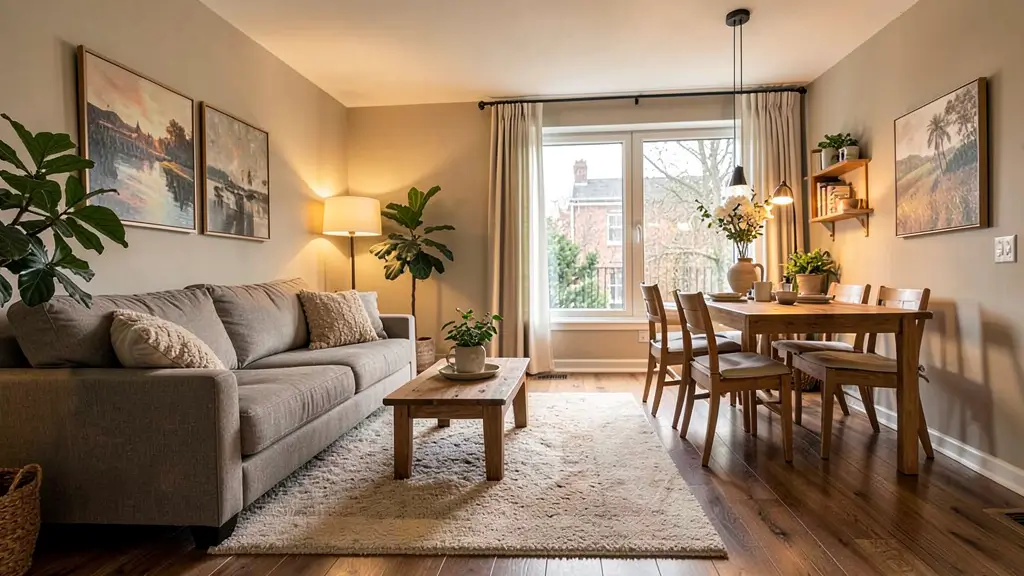
Now, here’s where things get interesting. Just because you have an open concept doesn’t mean your space has to feel cold or impersonal. Cozy open-plan designs prove that warmth and openness can absolutely coexist.
I’ll be honest—when I first opened up my space, it felt a bit like a warehouse. Not exactly the vibe I was going for. The solution? Layering textures, adding warm lighting, and creating intimate zones within the larger space.
How to Create Coziness in Open Spaces
Think about incorporating these elements:
- Plush area rugs that define different zones while adding softness underfoot
- Layered lighting with table lamps, floor lamps, and dimmable overhead fixtures
- Textured throw pillows and blankets scattered strategically
- Warm wood tones in furniture and flooring
- A statement fireplace that serves as both a focal point and a heat source
The trick is creating visual boundaries without physical walls. An oversized sectional can anchor your living area while a round dining table creates its own intimate zone just steps away. Ever noticed how certain spaces just make you want to curl up with a book? That’s intentional design at work.
3. Small Space Open Concept Transformations
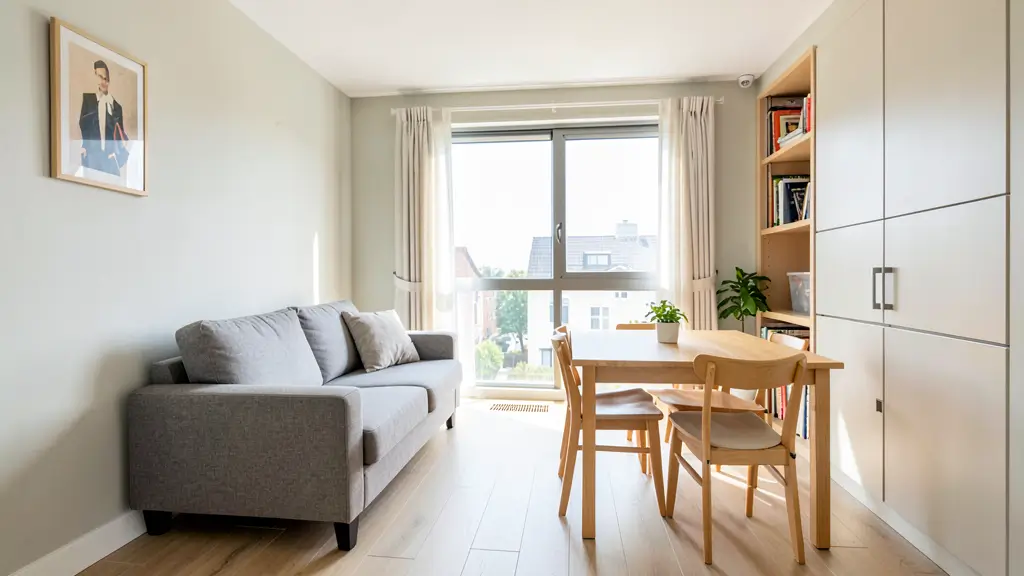
Let me tell you, small space living teaches you creativity faster than any design school ever could. When you’re working with limited square footage, every inch matters—and open concept design becomes your best friend.
Small space open concept transformations are all about maximizing what you have. You’re not trying to make your apartment look bigger than it is; you’re making it function better while feeling more spacious.
Smart Strategies for Compact Open Layouts
These approaches actually work:
- Multi-functional furniture like dining tables that double as desks
- Vertical storage that draws the eye upward and utilizes wall space
- Mirrors strategically placed to reflect light and create depth
- Consistent flooring throughout to eliminate visual breaks
- Transparent furniture pieces like acrylic chairs that don’t block sightlines
I once helped a friend transform her 600-square-foot studio into a functional open concept space. We used a narrow console table as a room divider between living and sleeping areas, and suddenly her tiny apartment felt like it had distinct zones without any walls eating up precious floor space.
4. Rustic Chic Open Concept Interiors
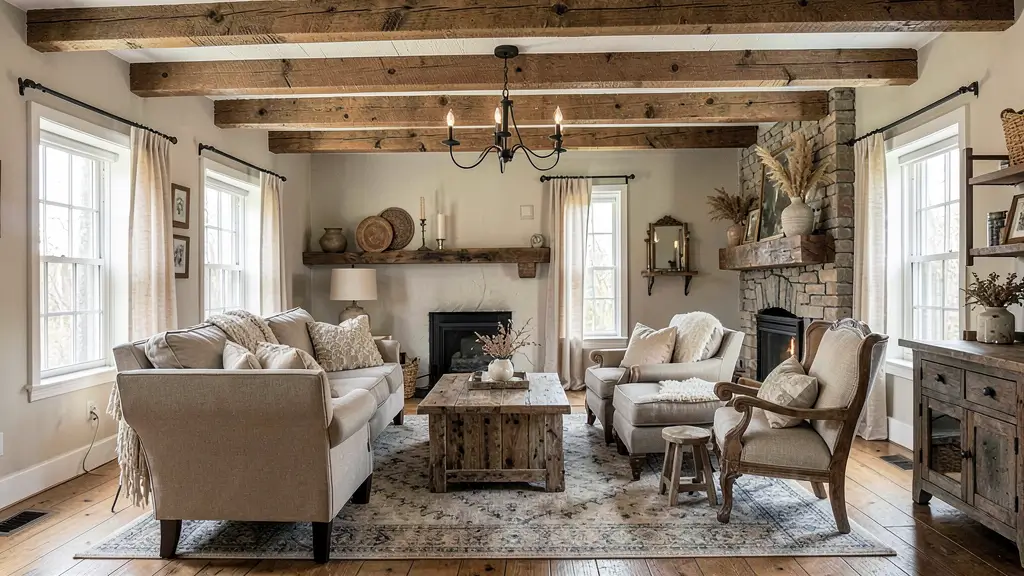
There’s something deeply satisfying about rustic chic open concept interiors. They blend the warmth of farmhouse aesthetics with sophisticated modern touches, creating spaces that feel both grounded and elegant.
This style works phenomenally well in open floor plans because the natural materials and textures create visual interest without overwhelming the space. Raw wood beams, exposed brick, and weathered finishes bring character that modern minimalism simply can’t replicate.
Essential Rustic Chic Elements
To nail this look, consider:
- Reclaimed wood dining tables that tell a story
- Exposed ceiling beams (or faux beams if you’re renting)
- Mixed metals with an emphasis on antique brass and wrought iron
- Natural fiber rugs like jute or sisal
- Vintage-inspired lighting fixtures with Edison bulbs
- Fresh greenery in terracotta or galvanized planters
The beauty of rustic chic in an open concept is how it naturally delineates spaces. A substantial wooden dining table becomes a clear dining zone, while a leather sofa with brass nail-head trim anchors the living area. These pieces speak to each other across the open space.
5. Luxury Open Concept with Statement Lighting
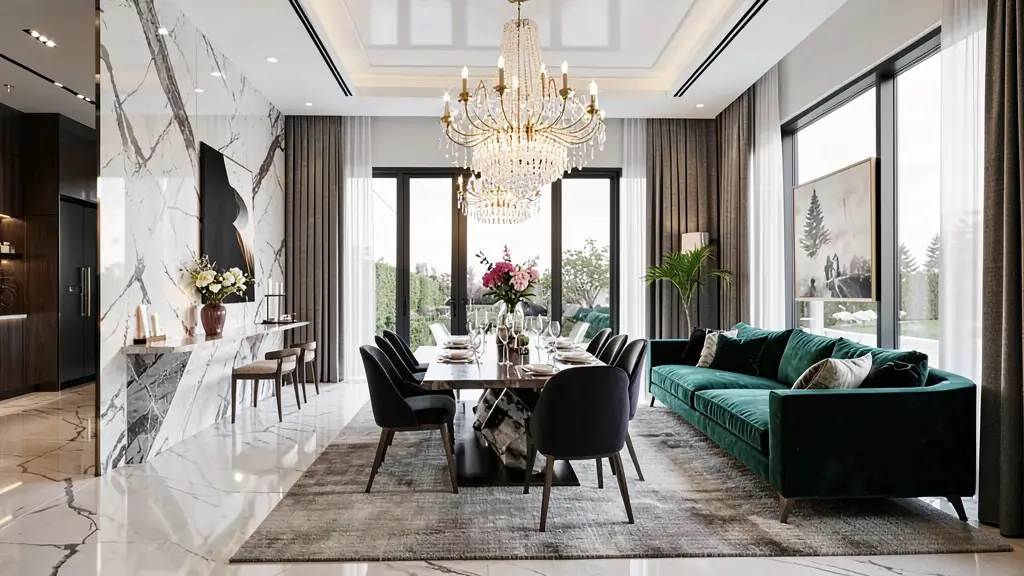
Okay, this is where we talk about making a serious impression. Statement lighting in luxury open concepts transforms a nice space into an absolutely show-stopping one. FYI, you don’t need a mansion to pull this off—just one or two incredible light fixtures can elevate any open floor plan.
I’m obsessed with what the right chandelier or pendant cluster can do over a dining area. It creates a focal point, defines the zone, and adds drama without taking up any floor space. Talk about multitasking.
Lighting Strategies for Luxury Impact
Here’s how to make lighting your secret weapon:
- Oversized chandeliers centered over the dining table
- Sculptural pendant clusters that double as art
- Architectural floor lamps in living zones
- Recessed lighting with dimmer controls for ambiance
- LED strip lighting under floating shelves or cabinets
The key is layering your light sources so you can adjust the mood throughout the day. Bright and energetic for weekend brunches, soft and intimate for dinner parties—you control the entire atmosphere with a few switches.
Also Read: 15 Cozy Boho Living Room Inspirations for Relaxing Vibes
6. Scandinavian Open Concept Design Inspiration
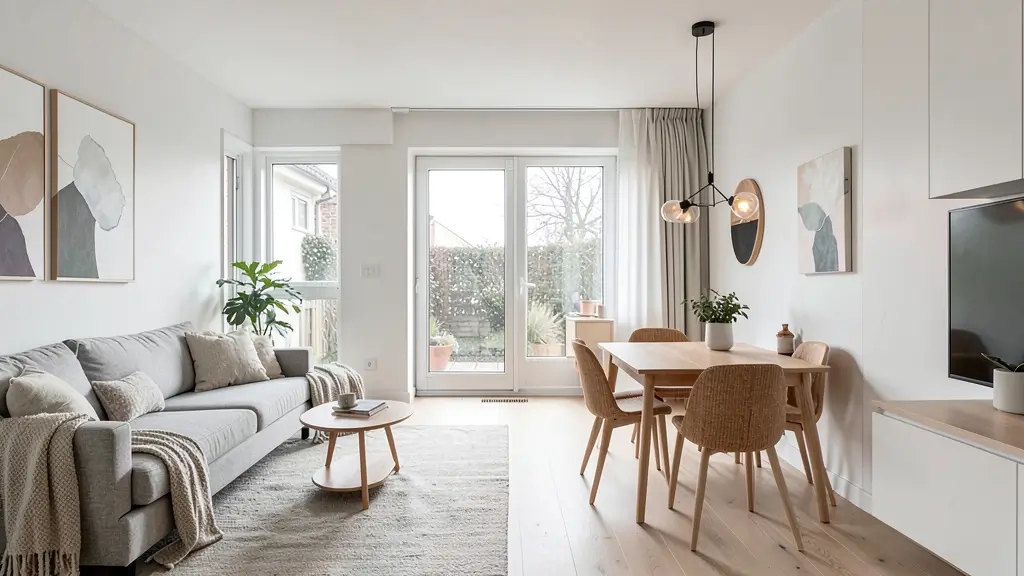
If you’ve spent any time scrolling through design inspiration, you’ve noticed the Scandinavian aesthetic dominating the scene. Scandinavian open concept design combines functionality with beauty in ways that feel effortlessly chic.
What I love about this style is how approachable it is. You don’t need expensive pieces or complex design knowledge. The fundamentals are simple: light colors, functional furniture, natural materials, and a whole lot of hygge (that Danish concept of cozy contentment).
Scandinavian Design Principles for Open Spaces
Apply these concepts:
- White walls that maximize natural light reflection
- Light wood flooring preferably in ash or birch tones
- Simple furniture silhouettes with tapered legs
- Functional accessories that serve a purpose
- Strategic pops of color through textiles and artwork
- Indoor plants because Scandinavians love their greenery
The reason Scandi design works so brilliantly in open concepts is its inherent airiness. Everything feels light and breathing, which enhances the spacious quality of connected rooms. Plus, the cohesive palette makes transitions between zones feel natural and unforced.
7. Colorful Open Living and Dining Room Ideas
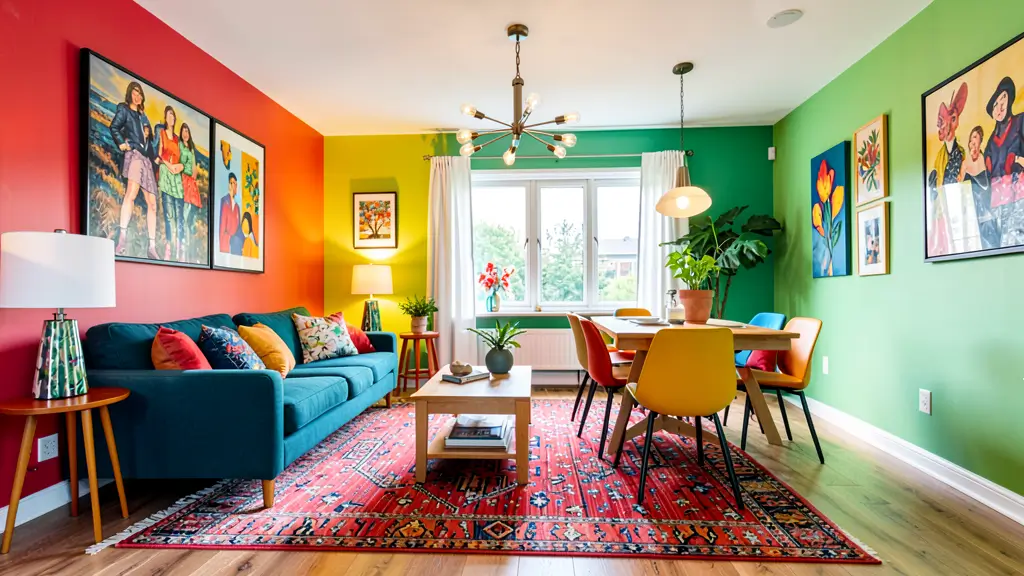
Who says open concepts need to play it safe with neutrals? Colorful open living and dining rooms bring personality, energy, and genuine joy into your daily life. And honestly, after years of seeing nothing but gray everything, a burst of color feels revolutionary.
The trick with color in open spaces is intentionality. You’re not throwing every shade at the wall and hoping something sticks. You’re creating a deliberate color story that flows throughout the connected rooms.
Making Bold Color Work
Here’s how to introduce color confidently:
- Choose a cohesive color palette of 3-4 complementary shades
- Repeat colors across zones to create visual connection
- Use bold color in moderation—accent walls, furniture pieces, or large artwork
- Balance saturated colors with neutral foundations
- Layer different tones of the same color for depth
I’ve seen stunning open concepts where a deep emerald green sofa in the living area connects to emerald dining chairs, with brass accents tying everything together. The color becomes the thread that weaves the spaces into one cohesive story.
8. Boho Style Open Concept Spaces
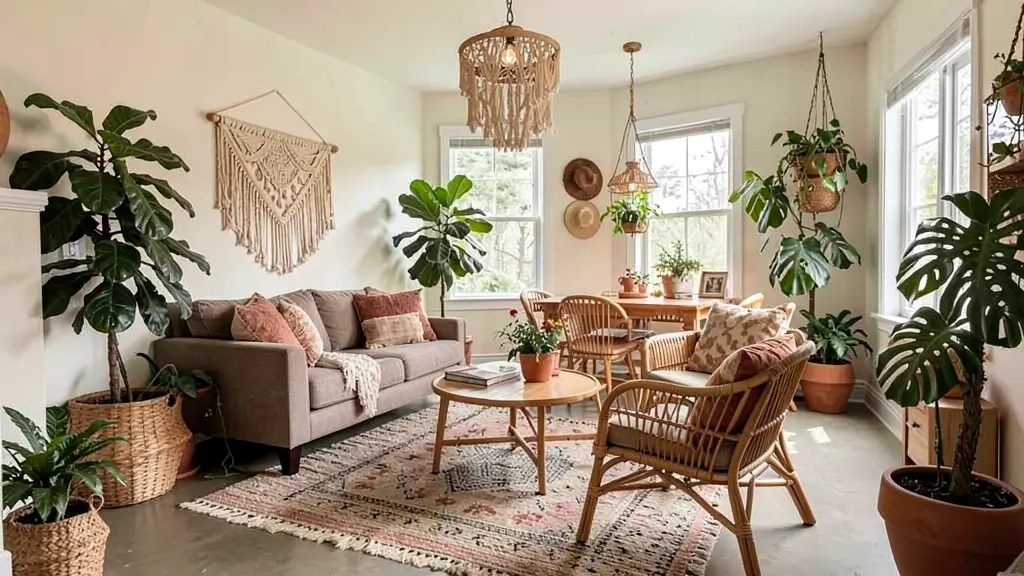
If your personality screams “I collect things from my travels and I have way too many plants,” then boho style open concept spaces are calling your name. This aesthetic celebrates maximalism, global influences, and the art of curated chaos.
Bohemian design might seem like the opposite of traditional open concept principles, but it actually works beautifully. The layered textures and eclectic pieces create visual interest throughout the space while the open layout prevents things from feeling cluttered.
Boho Elements That Shine in Open Layouts
Consider incorporating:
- Macramé wall hangings as zone-defining art pieces
- Moroccan poufs and floor cushions for flexible seating
- Layered rugs in different patterns and textures
- Rattan and wicker furniture that adds warmth
- Collected treasures displayed intentionally
- An abundance of plants in varied sizes and types
The secret to boho in an open concept is organized eclecticism. Everything should look collected, not cluttered. Use furniture placement and rugs to create distinct zones, and let your personality shine through every piece you choose.
9. Budget-Friendly Open Concept Makeovers
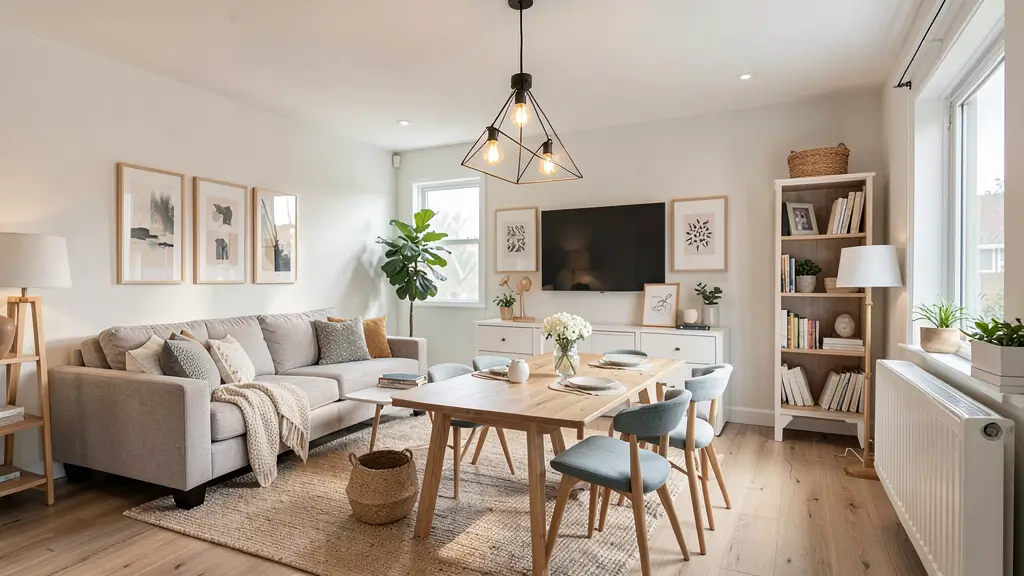
Real talk—not everyone has thousands of dollars to throw at a room transformation. Budget-friendly open concept makeovers prove that incredible design doesn’t require emptying your savings account. IMO, some of the most creative designs come from working within constraints.
I’ve done my fair share of budget transformations, and the results often surprise people. A few strategic purchases, some creative DIY projects, and smart shopping can completely change how your space looks and functions.
Money-Saving Open Concept Tips
Stretch your budget with these strategies:
- Paint your walls for maximum impact at minimum cost
- Thrift shop for furniture and refinish pieces yourself
- Rearrange existing furniture to improve flow
- DIY your lighting by updating basic fixtures
- Use area rugs to define zones without construction
- Focus spending on one statement piece and keep everything else simple
The biggest budget-friendly secret? Declutter ruthlessly before spending a dime. Sometimes the transformation your space needs isn’t more stuff—it’s less. You’d be amazed how different a room feels when you remove that furniture piece that never quite worked.
10. Elegant Open Concept with Smart Furniture
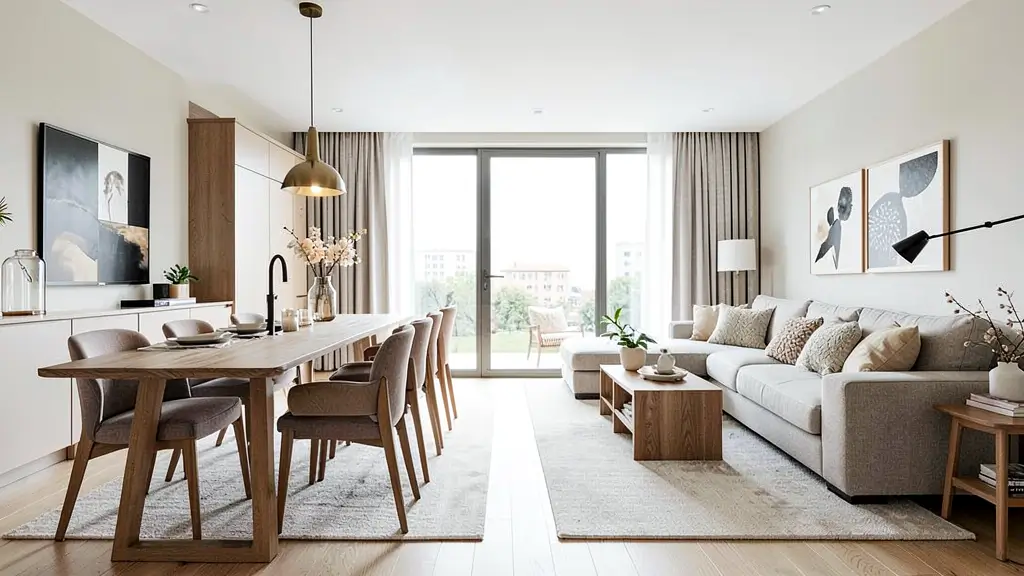
This is where form meets serious function. Smart furniture in elegant open concepts solves real problems while looking absolutely gorgeous. We’re talking furniture that transforms, stores, and adapts to your lifestyle without compromising style.
In open floor plans where every piece is visible from multiple angles, furniture needs to work harder. It can’t just look good from the front—it needs to be beautiful from every perspective and ideally serve multiple purposes.
Smart Furniture Solutions
Look for pieces that offer:
- Extendable dining tables for everyday use and entertaining
- Modular sofas that reconfigure for different needs
- Nesting tables that provide flexibility
- Storage ottomans that hide blankets and games
- Console tables with hidden drawers for entry or room dividers
- Wall-mounted desks that fold away when not in use
I invested in an extendable dining table two years ago, and it’s genuinely one of my best furniture purchases. Most days it seats four comfortably, but when friends come over, it expands to accommodate eight. That kind of flexibility is priceless in an open concept space.
11. Industrial Open Concept Loft Designs
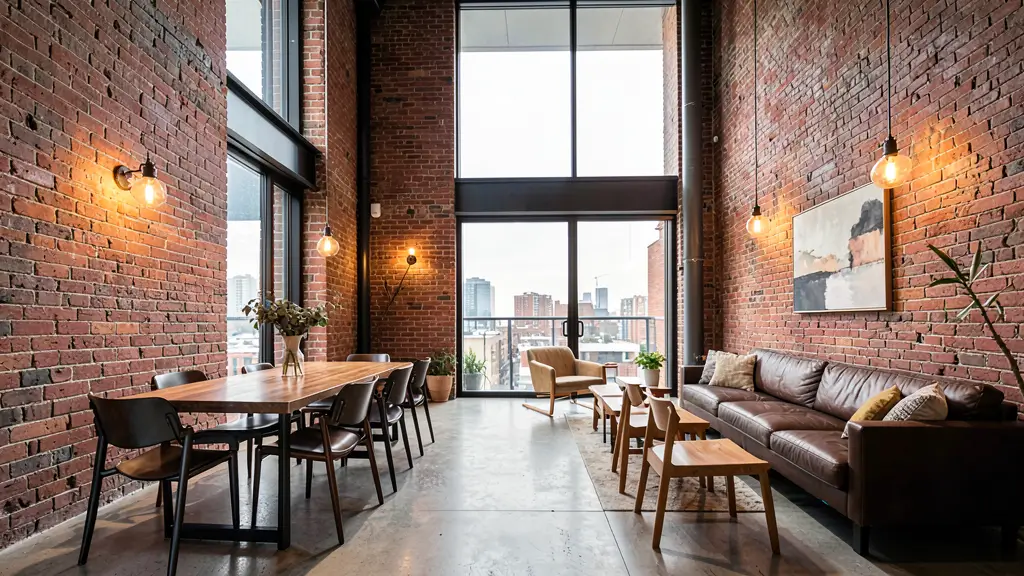
Industrial open concept loft designs take the characteristics of converted warehouses and celebrate them as intentional design choices. Exposed ductwork, concrete floors, and metal accents become features rather than problems to solve.
This aesthetic naturally suits open floor plans because industrial spaces were originally designed without walls. You’re leaning into the architecture’s inherent qualities rather than fighting against them.
Industrial Design Elements
Embrace the industrial vibe with:
- Exposed brick walls (or convincing wallpaper alternatives)
- Metal and glass shelving units as subtle room dividers
- Leather furniture in worn, vintage-inspired finishes
- Factory-style pendant lighting
- Concrete or polished cement flooring
- Visible pipes and ductwork painted or left raw
The challenge with industrial design is balancing the hard edges with comfort. You don’t want your living room to feel like an actual factory floor. Soften the space with textiles, warm lighting, and comfortable seating that invites you to stay awhile.
12. Family-Friendly Open Concept Layouts
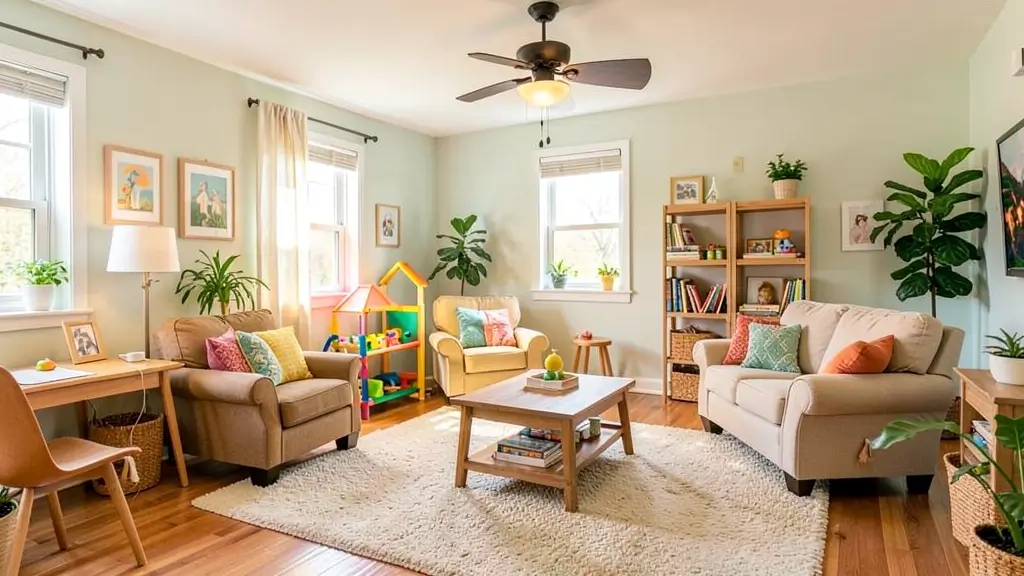
Let’s be practical for a minute. Family-friendly open concept layouts address real-life challenges like keeping an eye on kids while cooking dinner, durability against sticky fingers, and storage for approximately ten thousand toys.
Open floor plans genuinely benefit families. Parents can supervise homework from the kitchen, everyone can gather together without feeling separated, and the space grows with your family’s needs.
Designing for Family Life
Prioritize these considerations:
- Durable, stain-resistant fabrics on all upholstered pieces
- Coffee tables with rounded edges for toddler safety
- Built-in storage solutions for toys, games, and supplies
- Washable area rugs in forgiving patterns
- Defined play zones within sight of common areas
- Furniture arrangements that create clear traffic paths
The best family-friendly open concepts don’t look childproofed—they just are. Choose beautiful pieces in practical materials, and you won’t sacrifice style for functionality. Your space can handle spilled juice and still look magazine-worthy 🙂
Also Read: 15 Cozy Living Room and Dining Room Combos You’ll Love
13. Open Concept with Indoor-Outdoor Flow
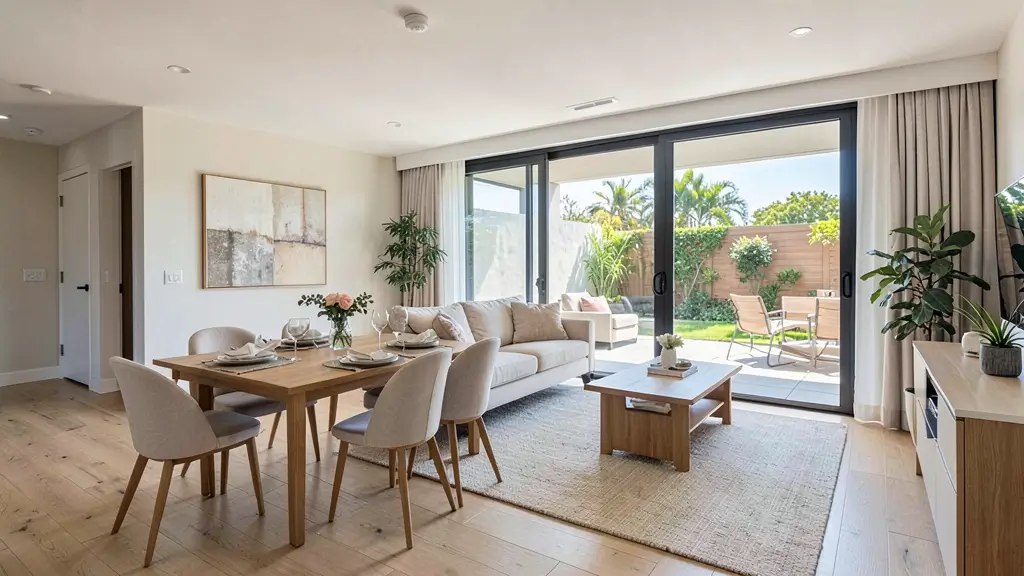
This transformation honestly makes me dream of warmer climates. Open concept with indoor-outdoor flow blurs the boundaries between inside and outside, creating expanded living space and connecting you with nature.
When done well, your living and dining areas extend seamlessly onto a patio, deck, or backyard. The inside and outside become one continuous entertaining zone that maximizes your entire property.
Creating Seamless Transitions
Achieve that flow with:
- Large sliding or folding glass doors that open completely
- Consistent flooring materials or complementary choices inside and out
- Similar furniture styles between indoor and outdoor spaces
- Plantings that bring green inside and extend interior views outside
- Covered outdoor living areas for weather protection
- Matching color palettes across both zones
Even if you can’t install massive bifold doors, you can enhance indoor-outdoor flow. Position your furniture to face outward, use large windows, and choose plants and colors that echo what’s beyond your walls.
14. Contemporary Open Concept for Entertaining
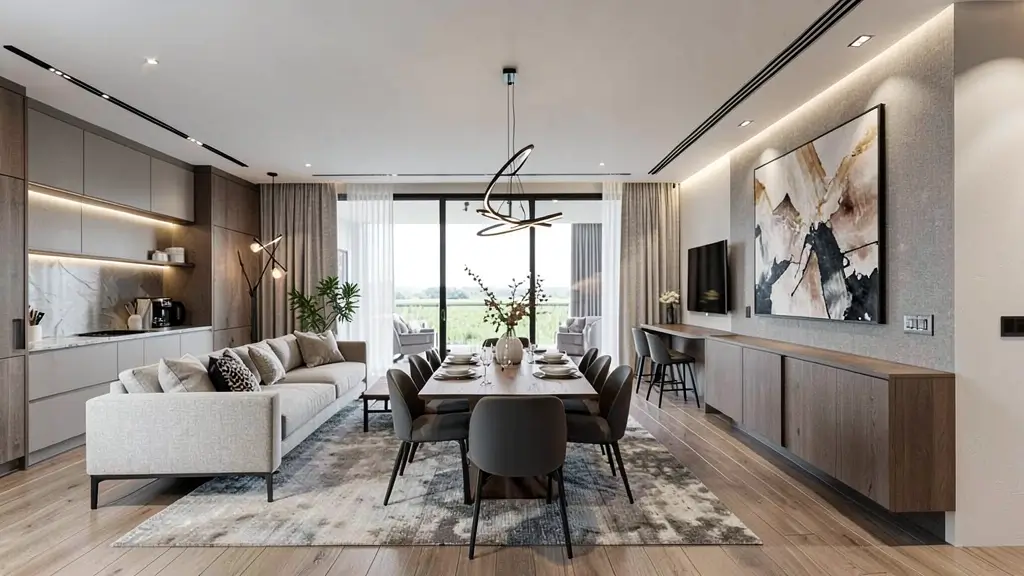
If you host even occasionally, contemporary open concept for entertaining changes the game completely. These layouts consider guest flow, conversation zones, and practical needs like where to set drinks and how to interact while cooking.
The contemporary approach keeps things sleek and sophisticated while ensuring your space actually works during a party. Form follows function, and function means everyone has a good time.
Entertaining-Focused Design Choices
Think about:
- Kitchen islands with seating that let guests gather while you prep
- Multiple conversation zones so groups can form naturally
- Clear sightlines from kitchen to living areas
- Sideboard or buffet placement for serving food
- Adequate surface area for drinks on every zone
- Flexible seating options like poufs or extra chairs
I reorganized my open concept specifically for entertaining, and the difference astounded me. Moving the sofa to face the kitchen instead of the TV meant I could actually talk to guests while cooking. Sometimes the smallest changes make the biggest impact.
15. Vintage-Inspired Open Concept Interiors
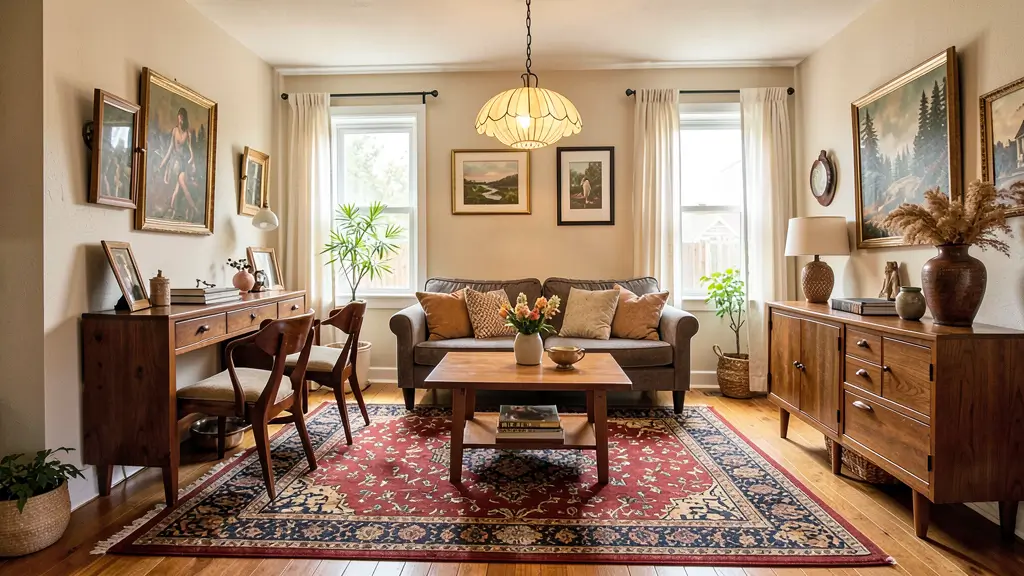
There’s something magical about vintage-inspired open concept interiors that feel collected over decades rather than designed all at once. These spaces tell stories through antique finds, inherited pieces, and era-spanning aesthetics.
Vintage style in open concepts works because the openness keeps things feeling fresh rather than stuffy. You get the character and warmth of older pieces without the closed-off, heavy feeling of traditional rooms.
Incorporating Vintage Elements
Build that collected look with:
- Antique furniture pieces as statement items
- Vintage-inspired lighting in brass or crystal
- Pattern mixing with traditional florals, stripes, and damasks
- Gallery walls featuring vintage art and mirrors
- Time-worn accessories like old books, pottery, and textiles
- Modern neutrals as backdrop to let vintage pieces shine
The key is balancing vintage with contemporary. Too many antiques can feel like a museum; too few and you lose the character. Aim for 70% neutral modern pieces and 30% vintage statement pieces as a starting point.
Final Thoughts
So there you have it—15 open concept living and dining room transformations that prove there’s no single right way to design these spaces. Whether you’re drawn to minimalist serenity, cozy layers, industrial edge, or colorful expression, an open floor plan adapts to your vision.
What I’ve learned from both my own transformation and helping friends with theirs is that the best open concepts reflect how you actually live. They’re not about following trends or copying magazine photos—they’re about creating spaces that support your lifestyle, bring you joy, and make your daily routines feel just a little bit more elevated.
Start with what you love. Consider how you use your space. And don’t be afraid to experiment—furniture can always be moved, paint can always be changed, and that rug that seemed perfect online can always go back. Your open concept transformation is waiting, and honestly, there’s never been a better time to start.